



What's Happening?
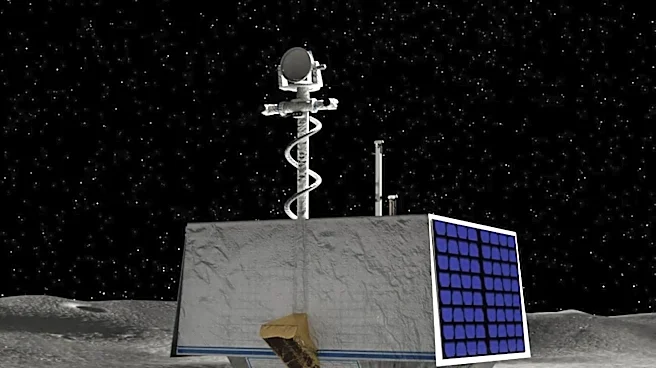
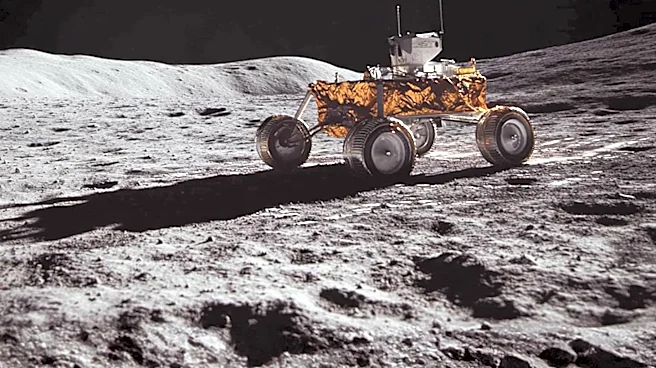
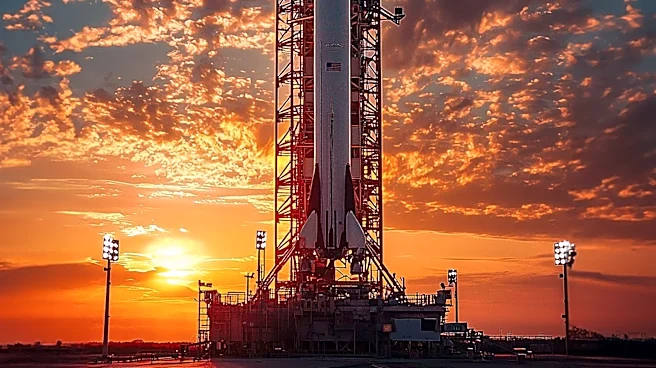
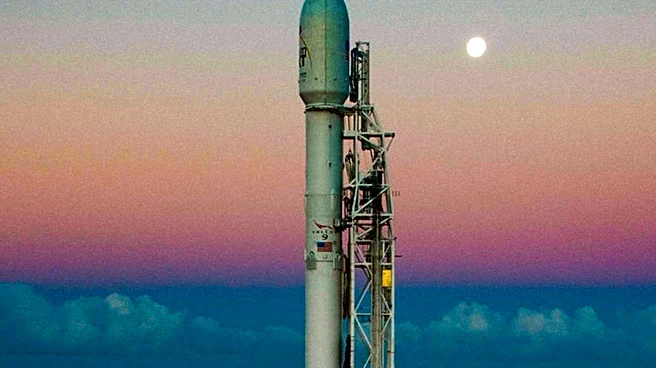
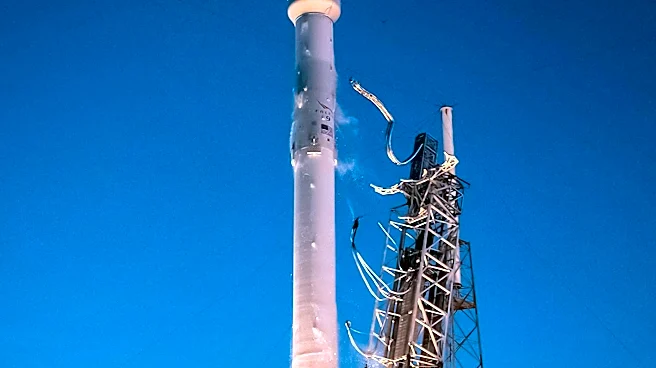
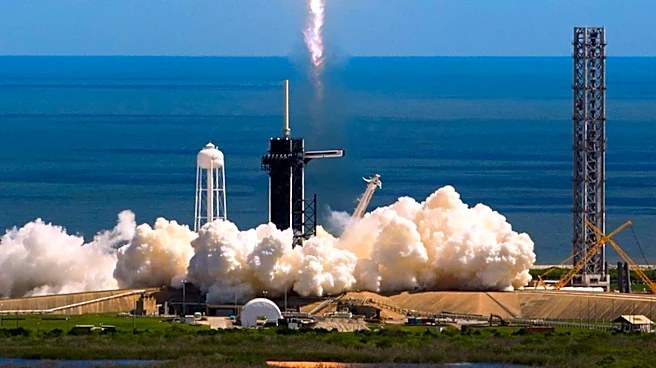
A piece of a SpaceX Falcon 9 rocket is on a collision course with the moon, expected to impact near the Einstein crater on August 5, 2026. The rocket, which launched on January 15, 2025, carried Firefly Aerospace's Blue Ghost lunar lander and ispace's
Resilience lander. While Blue Ghost successfully landed on the moon, Resilience crashed after losing communication. The upper stage of the Falcon 9, left in a moon-crossing orbit, will hit the lunar surface at approximately 5,400 miles per hour. This event provides a unique opportunity for scientists to study the impact and its effects on the lunar surface.
Why It's Important?
The impending collision of the Falcon 9 rocket's upper stage with the moon offers scientists a rare chance to study the effects of such impacts. Understanding the impact dynamics can help in assessing risks to future lunar missions, especially as NASA plans to return astronauts to the moon by 2028. The event will also allow researchers to analyze the composition of the lunar surface by examining the plume of debris ejected upon impact. This knowledge is crucial for future lunar exploration and the establishment of a permanent human presence on the moon.
What's Next?
Following the impact, scientists will monitor the event using telescopes to capture data on the resulting flash and debris plume. This information will be used to refine models of lunar impacts and assess potential risks to future lunar infrastructure. The research community is encouraging amateur astronomers to observe the event, although visibility will be challenging due to the faintness of the impact flash. The findings from this event could influence future mission planning and safety protocols for lunar exploration.