



What's Happening?
In the aftermath of the devastating wildfires in Oregon, particularly the Almeda Fire in 2020, the state has embarked on a significant rebuilding effort with a focus on energy efficiency and resilience. The Oregon Department of Energy has emphasized the importance
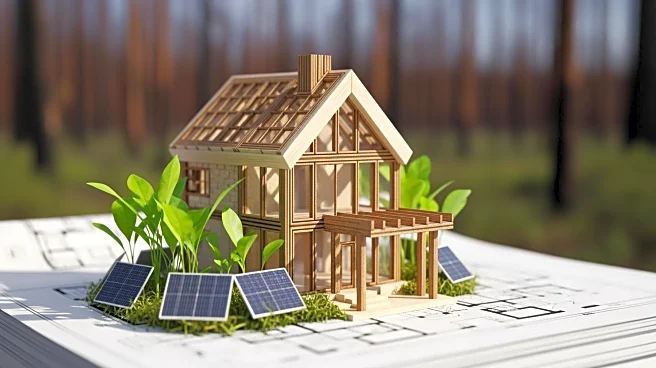
of constructing new homes to meet or exceed the state's 2021 residential energy code, which is 30% to 35% more efficient than the 2008 code. This initiative is part of a broader strategy to reduce greenhouse gas emissions and stabilize power supplies. The Energy Trust of Oregon, a nonprofit organization, has collaborated with state officials to revamp existing programs and introduce incentives for energy-efficient redevelopment. These efforts aim to encourage residents to build homes that are both fire-resilient and energy-efficient, providing long-term benefits in terms of cost savings and environmental impact.
Why It's Important?
The rebuilding efforts in Oregon highlight the critical role of energy efficiency in addressing climate change and reducing energy consumption. Buildings account for 40% of energy use in the United States, making energy-efficient construction a key strategy for lowering emissions. By prioritizing energy efficiency, Oregon not only helps mitigate climate change but also reduces utility costs for households and businesses. This approach also stabilizes power supplies, potentially avoiding the need for new power plants. The incentives provided by the state and organizations like the Energy Trust of Oregon demonstrate a commitment to sustainable development, which could serve as a model for other regions facing similar challenges. The focus on resilience and efficiency is particularly relevant as climate change increases the frequency and intensity of natural disasters.
What's Next?
As Oregon continues its rebuilding efforts, the state is likely to monitor the outcomes of its energy efficiency initiatives closely. The success of these programs could influence future policy decisions and inspire similar approaches in other states. Stakeholders, including developers, builders, and homeowners, will play a crucial role in implementing these standards and ensuring that new constructions meet the desired efficiency levels. Additionally, the state may explore further opportunities to enhance resilience and sustainability in its infrastructure, potentially expanding incentives and support for innovative building practices. The ongoing collaboration between government agencies, nonprofits, and the private sector will be essential in achieving these goals.