






What's Happening?
The International Atomic Energy Agency (IAEA) Director-General, Rafael Grossi, announced during his annual report to the UN General Assembly that global nuclear power capacity is projected to more than triple by 2060. This significant increase is primarily
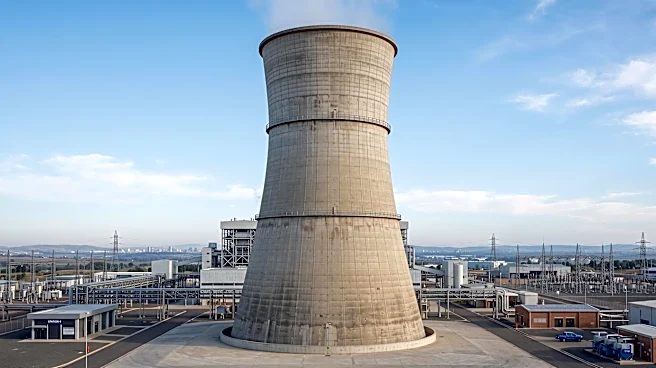
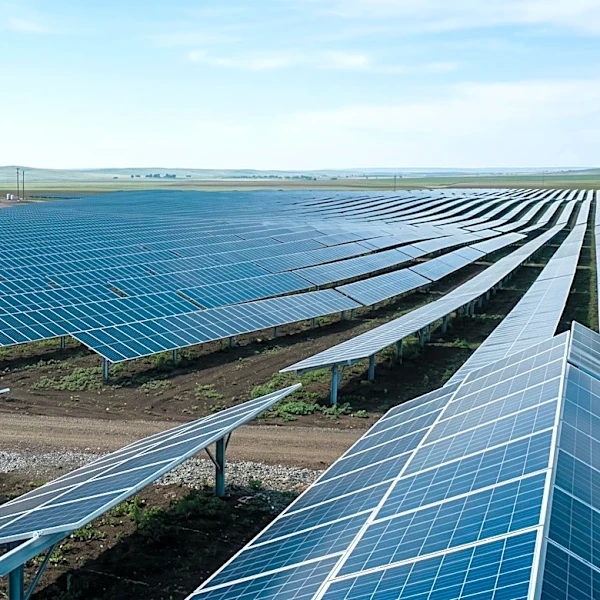
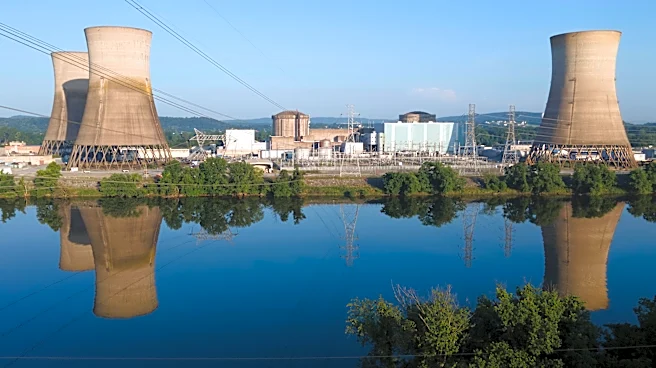
driven by the growing demand for electricity due to broader electrification, the energy requirements of artificial intelligence (AI) data centers, and the need for reliable, carbon-free energy sources from technology companies. Grossi highlighted that an increasing number of countries view nuclear energy as a crucial element for enhancing national energy security, positioning it as comparable to solar power in importance and safer than other alternatives. In 2025, over 400 operating reactors in more than 30 countries contributed 10% of global electricity and a quarter of low-carbon electricity. Currently, over 60 new reactors are under construction, indicating a substantial upward trend in future capacity projections. Grossi also addressed ongoing nuclear safety and security challenges, including programs in Iran and North Korea, and the precarious situation at the Zaporizhzhia plant in Ukraine.
Why It's Important?
This projection by the IAEA signals a fundamental shift in global energy infrastructure, with significant implications for U.S. industries and energy policy. The anticipated tripling of nuclear power capacity by 2060 underscores the increasing recognition of nuclear energy as a vital component for energy security and decarbonization, particularly in response to the escalating power demands of AI data centers and other energy-intensive technologies. For the U.S., this trend could spur increased investment in domestic nuclear technology, research, and development, potentially creating new jobs and strengthening the country's position in the global energy market. Businesses and investors in the U.S. may see long-term capital allocation towards reliable, clean baseload power sources, influencing strategic decisions in the energy sector. The emphasis on nuclear energy as a carbon-free alternative aligns with U.S. climate goals, offering a pathway to reduce greenhouse gas emissions while meeting growing energy needs. Furthermore, the U.S. could play a leading role in developing and exporting advanced nuclear technologies, contributing to global energy stability and security.
What's Next?
The IAEA's projections suggest a future where nuclear energy plays a much larger role in the global energy mix. This could lead to increased international cooperation on nuclear safety and security standards, as more countries adopt or expand their nuclear power programs. For the U.S., this may translate into policy discussions aimed at streamlining regulatory processes for new nuclear plant construction and incentivizing private sector investment in nuclear energy. There could also be a renewed focus on addressing the challenges of nuclear waste management and developing advanced reactor designs to enhance safety and efficiency. The growing demand from AI data centers and technology companies for reliable, carbon-free energy is likely to drive further innovation in nuclear power, potentially leading to the development of smaller, more flexible reactor technologies. Additionally, the U.S. may engage in more diplomatic efforts to ensure the peaceful use of nuclear technology globally, particularly in regions with ongoing nuclear safety and security concerns, as highlighted by Grossi regarding Iran, North Korea, and Ukraine.
Beyond the Headlines
The projected surge in nuclear power capacity has deeper implications beyond energy production, touching upon geopolitical stability and technological advancement. The increased reliance on nuclear energy could reshape international relations, as countries seek to secure access to nuclear fuel and technology, potentially leading to new alliances or heightened competition. The integration of nuclear power with the demands of artificial intelligence and broader electrification highlights a future where advanced technology and energy infrastructure are inextricably linked. This raises ethical considerations regarding the responsible development and deployment of AI, ensuring that its energy footprint is met sustainably. The IAEA's emphasis on nuclear energy's safety and carbon-free nature could also influence public perception and policy debates, potentially shifting away from historical concerns about nuclear risks towards a greater acceptance of its role in addressing climate change and energy security. This long-term shift could foster a new era of nuclear renaissance, driven by both environmental imperatives and technological progress.