





What's Happening?
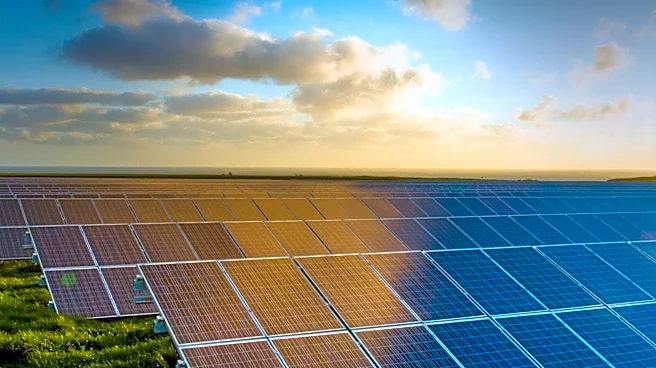
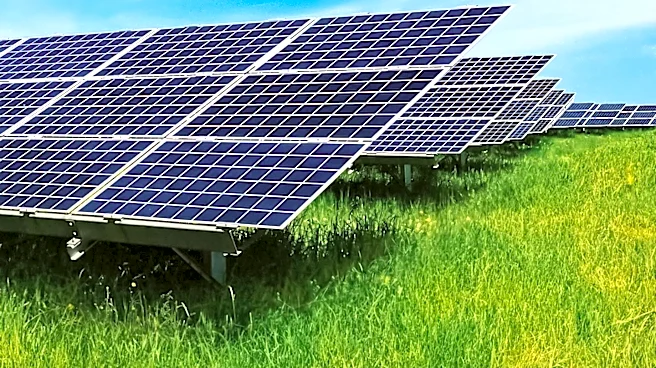
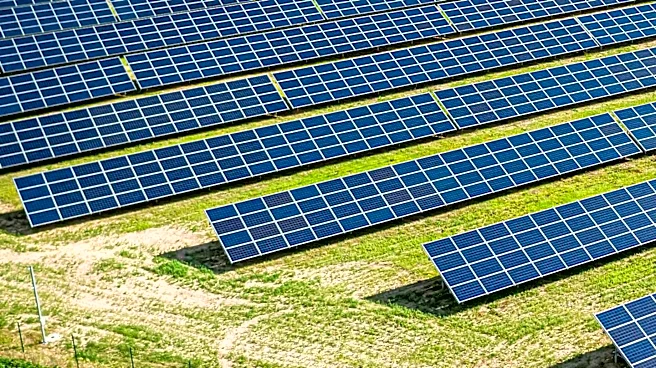
A new analysis by Environment North Carolina Research & Policy Center and Frontier Group indicates that North Carolina's public school rooftops possess the potential to generate enough solar energy to meet the annual electricity needs of nearly 150,000
homes. The report estimates that approximately 2,400 public schools, representing about 90% of those analyzed statewide, have suitable rooftop space for solar panel installations. If fully developed, this capacity could support over 900 megawatts of solar power, producing around 1.6 terawatt-hours of electricity in the first year, which accounts for about 1.2% of North Carolina's current annual electricity consumption. Wake County leads the state with an estimated 75 megawatts of potential rooftop solar capacity across its 204 public and charter schools, enough to power roughly 12,200 typical U.S. homes. The analysis also suggests that widespread school solar adoption could avoid approximately 1.3 million tons of carbon dioxide emissions annually from power plants.
Why It's Important?
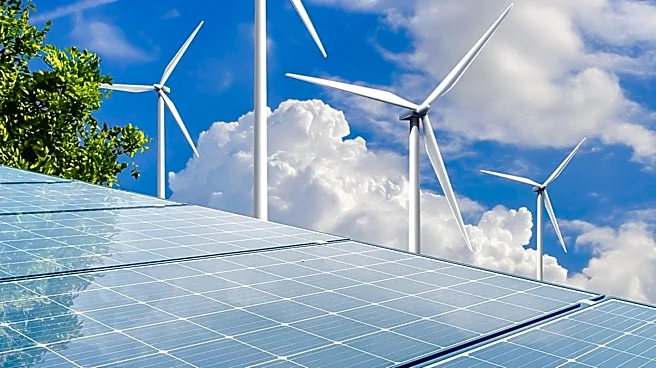
This report highlights a significant, largely untapped resource for renewable energy generation within North Carolina's public infrastructure. Utilizing school rooftops for solar power offers multiple benefits, including reducing the state's carbon footprint, potentially lowering electricity costs for schools, and providing energy resilience during emergencies when paired with battery storage. The findings are particularly relevant given North Carolina's growing electricity needs and rising utility rates, presenting a pathway to diversify energy sources without requiring additional land. The report also identifies financial and policy barriers, such as upfront construction costs, the condition of aging school roofs, and restrictions on third-party power purchase agreements (PPAs), which are commonly used in other states to finance school solar projects. Addressing these barriers could unlock substantial economic and environmental advantages for the state.
What's Next?
The report recommends several policy changes to facilitate the widespread adoption of solar power in North Carolina schools. These recommendations include establishing a solar schools grant program, allowing third-party power purchase agreements (PPAs), and examining utility rate structures and interconnection policies that impact the economics of school solar projects. Additionally, the report suggests increased funding to help schools repair or replace roofs and make necessary electrical upgrades for solar installations. The implementation of these policy changes would be crucial for North Carolina to realize its full school rooftop solar potential. Stakeholders, including state lawmakers, school districts, and environmental advocacy groups, will likely engage in discussions and legislative efforts to address these recommendations, potentially leading to new policies and funding initiatives aimed at expanding solar energy in the state's educational infrastructure.
Beyond the Headlines
Beyond the immediate energy and environmental benefits, the widespread adoption of solar power in schools carries deeper implications for education and community resilience. Schools equipped with solar panels and battery storage can serve as critical community hubs during power outages caused by natural disasters, offering shelter and essential services. Furthermore, these installations can serve as living laboratories for students, providing hands-on learning opportunities in renewable energy and STEM fields, thereby fostering a new generation of environmentally conscious citizens and skilled workers. The policy recommendations, particularly regarding third-party PPAs, highlight a broader challenge in renewable energy deployment: the need for innovative financing models to overcome initial capital barriers. North Carolina's approach to these policy changes could influence how other states address similar challenges in integrating renewable energy into public infrastructure, shaping the future of sustainable development and energy independence.