






What's Happening?
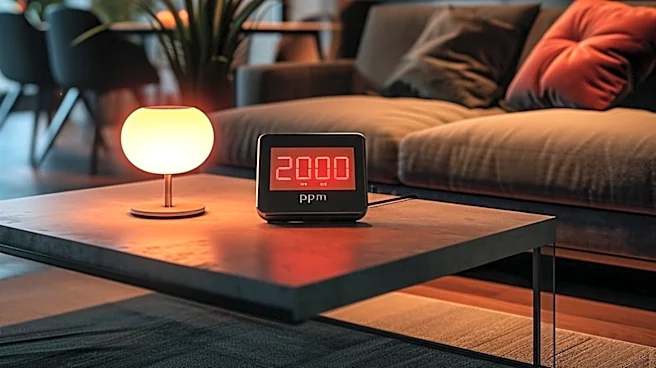
Indoor air quality (IAQ) is a complex issue influenced by both outdoor pollution and indoor activities. External particulate matter from sources like traffic and industrial operations can infiltrate buildings through ventilation systems, open windows,
and structural gaps. Simultaneously, common indoor activities such as cooking, heating, cleaning, burning candles, and general occupancy contribute to internal pollutant levels. The extent to which outdoor pollution affects indoor spaces depends on the building's design and its air exchange mechanisms. Poor ventilation can exacerbate the problem by increasing the concentration and duration of exposure to indoor pollutants. IAQ is not solely about visible or odorous contaminants; it encompasses particulate matter (PM), volatile organic compounds (VOCs), carbon monoxide, and biological materials. While ventilation can dilute indoor pollutants, it can also introduce outdoor contaminants if external air quality is poor. Therefore, maintaining good IAQ requires a balanced approach that considers both internal and external factors.
Why It's Important?
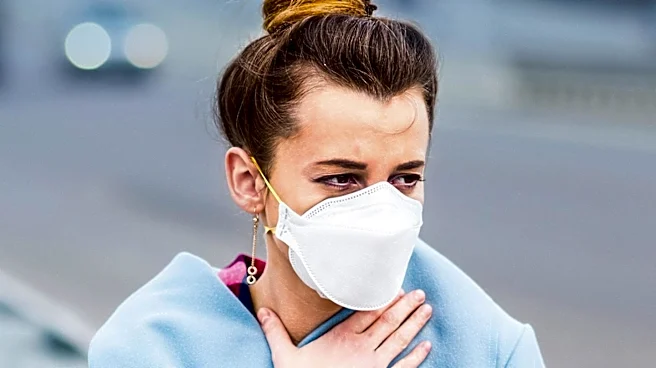
The quality of indoor air has significant implications for public health and well-being, particularly in environments like schools and homes. Poor IAQ can lead to various health issues, including headaches, coughing, irritated eyes, fatigue, and difficulty concentrating. Individuals with respiratory sensitivities, such as asthma or allergies, are especially vulnerable to airborne irritants like dust, mold, and outdoor pollution. Beyond health, IAQ directly impacts comfort and productivity. In educational settings, for instance, a poorly ventilated or stuffy classroom can become a major distraction, hindering students' learning and staff performance. The dynamic nature of indoor environments, with fluctuating occupancy and activities, means that IAQ can change rapidly throughout the day. Understanding these patterns is crucial for identifying and addressing issues before they negatively affect occupants, highlighting the need for continuous monitoring and proactive management of indoor air quality.
What's Next?
Addressing indoor air quality effectively will involve a multi-faceted strategy focusing on source control, improved ventilation, and advanced filtration. For homeowners, this means utilizing kitchen ventilation during cooking, managing excess moisture, being mindful of combustion sources, and avoiding unnecessary additions of particles and VOCs to indoor air. When outdoor air quality is compromised by factors like smoke or heavy traffic pollution, relying solely on open windows for ventilation may not be advisable. In such cases, high-quality air purifiers can play a vital role in reducing airborne particles indoors. For institutions like schools, regular indoor air quality monitoring is essential to track changes over time, identify problem areas, and inform maintenance, repairs, and HVAC system adjustments. This proactive approach allows facilities teams to respond to evolving conditions and ensure a healthier environment for students and staff, potentially preventing widespread health and performance issues.
Beyond the Headlines
The discussion around indoor air quality extends beyond immediate health concerns to broader societal and economic impacts. The interlinkage between indoor and outdoor air quality underscores the need for comprehensive environmental policies that address pollution at its source, both within and outside buildings. The growing awareness of IAQ's impact on health, particularly amplified by events like the COVID-19 pandemic, is driving market growth in indoor air quality monitoring and improvement solutions. This trend suggests a shift towards greater investment in technologies and practices that enhance indoor environments. Ethically, ensuring good IAQ is a matter of public health equity, as vulnerable populations often reside in areas with higher pollution levels or in buildings with inadequate ventilation. Long-term, a sustained focus on IAQ could lead to more resilient and healthier communities, improved educational outcomes, and increased productivity in workplaces, ultimately contributing to a higher quality of life.