





What's Happening?
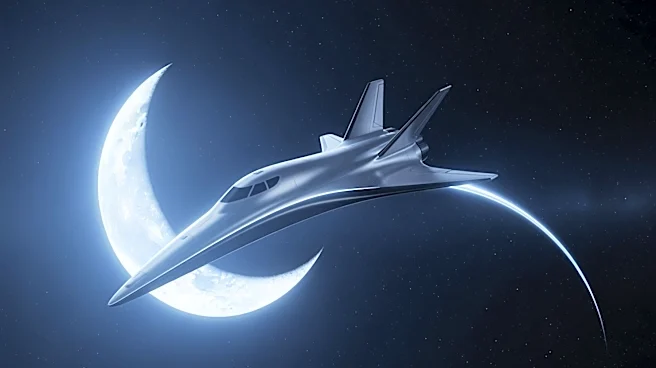
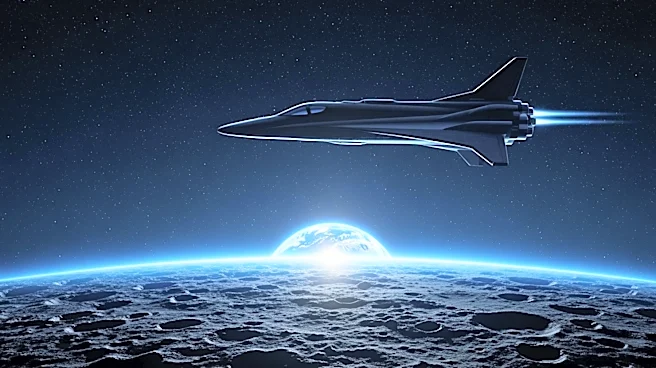
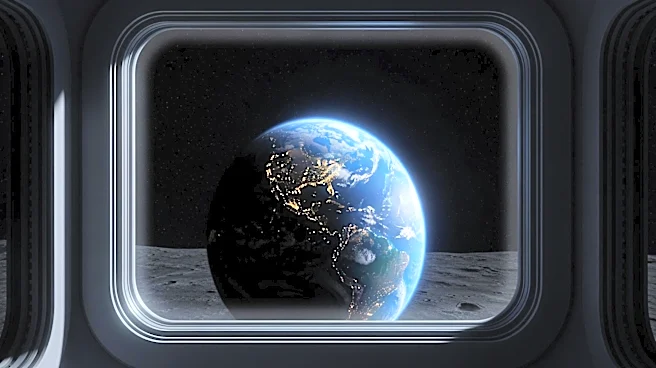
NASA's Artemis II mission, launched on April 1, 2026, marked a significant milestone in space exploration by completing a nearly 10-day crewed flight around the Moon. The mission involved NASA astronauts Reid Wiseman, Victor Glover, and Christina Koch,
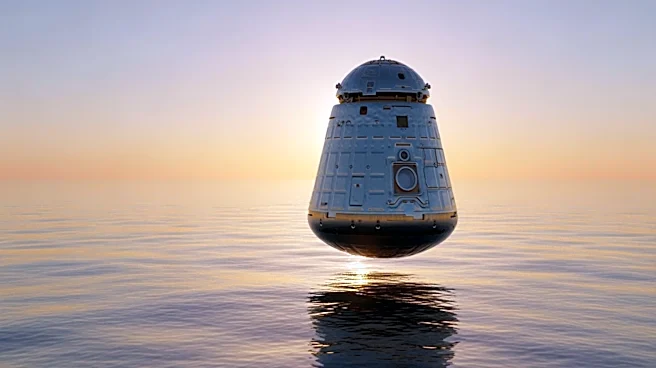
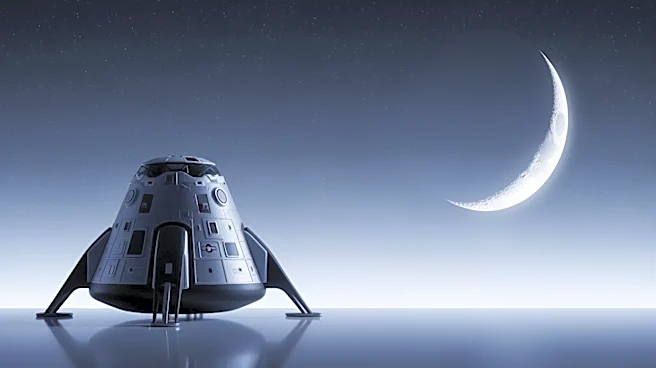
along with Canadian Space Agency astronaut Jeremy Hansen. The crew traveled 252,756 miles from Earth, setting a new record for the greatest distance humans have traveled in space. The mission aimed to test the Orion spacecraft's systems and prepare for future lunar missions. The crew trained extensively in Iceland's volcanic terrain to simulate lunar conditions and practiced using the Orion Crew Survival System suits. The mission concluded with a successful splashdown in the Pacific Ocean on April 10, 2026.
Why It's Important?
The Artemis II mission is a crucial step in NASA's broader Artemis program, which aims to return humans to the Moon and eventually send astronauts to Mars. By testing the Orion spacecraft's capabilities and crew operations in deep space, NASA is laying the groundwork for more complex lunar missions. The mission's success demonstrates the viability of long-duration space travel and the potential for scientific discovery and economic benefits from lunar exploration. The advancements made in this mission could lead to new technologies and systems that enhance human spaceflight capabilities, benefiting both government and commercial space endeavors.
What's Next?
Following the success of Artemis II, NASA is preparing for future missions to the Moon's South Pole, which will involve more advanced exploration techniques and technologies. The agency is working on next-generation spacesuits, lunar tools, and rovers to support sustained lunar exploration. These efforts are part of NASA's long-term goal to establish a sustainable human presence on the Moon and prepare for human missions to Mars. The lessons learned from Artemis II will inform the planning and execution of these future missions, ensuring that NASA continues to push the boundaries of human space exploration.