






What's Happening?
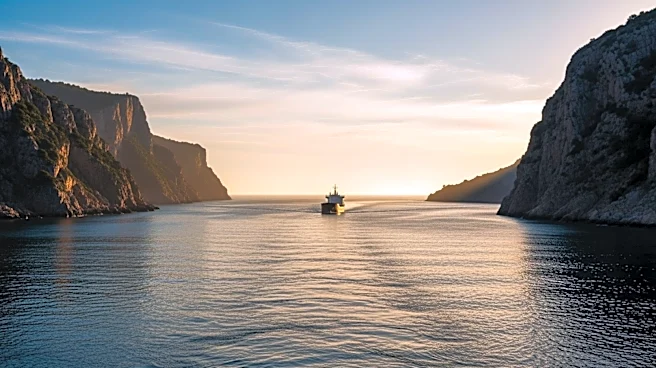
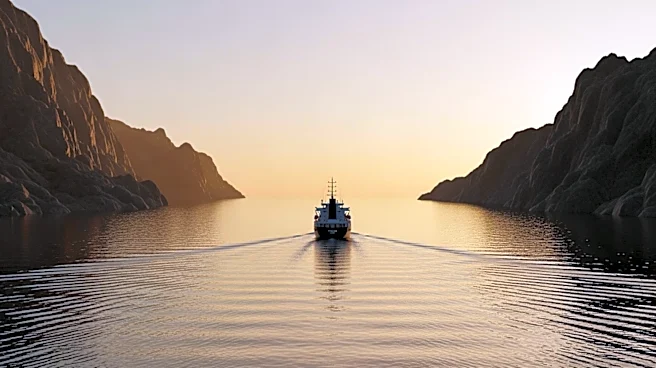
Iran has announced that all ships can transit the Strait of Hormuz, provided they coordinate with Iran's Islamic Revolutionary Guard Corps (IRGC). This development follows a ceasefire agreement in Lebanon, which has contributed to easing regional tensions.
According to a senior Iranian official, while commercial vessels are allowed, military ships remain prohibited from crossing the strait. The official emphasized that navigation must occur in coordination with Iran and with authorization from the IRGC and Iran's Ports and Maritime Organization to ensure the safety of shipping. The announcement comes as U.S. President Trump expressed optimism about a potential deal to end the Iran war, although the timeline remains uncertain. The International Maritime Organization (IMO) is currently reviewing the situation to ensure compliance with international navigation laws.
Why It's Important?
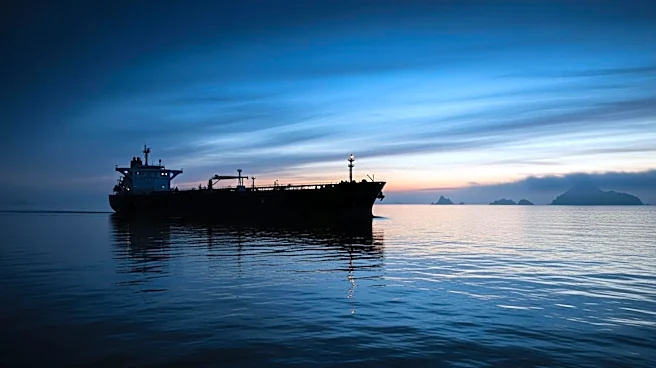
The reopening of the Strait of Hormuz under these conditions is significant for global shipping and energy markets, as the strait is a critical chokepoint for oil transportation. The requirement for coordination with Iran could impact shipping logistics and costs, potentially affecting global oil prices. The move also reflects a shift in regional dynamics, with Iran asserting control over a vital maritime route. This development could influence U.S. foreign policy and military strategy in the region, as well as international diplomatic efforts to maintain open and secure shipping lanes. Shipping companies and global markets will need to adapt to these new regulations, which could have broader economic implications.
What's Next?
Shipping industry associations and international bodies like the IMO will likely continue to assess the implications of Iran's announcement. There may be diplomatic discussions to ensure that the new coordination requirements align with international maritime laws and do not hinder global trade. Additionally, stakeholders will monitor the situation for any changes in Iran's stance or further developments in regional peace efforts. The U.S. and its allies may also consider diplomatic or strategic responses to ensure the continued security of the Strait of Hormuz.