






What's Happening?
Polymarket, a prediction market platform, has removed a controversial betting forum related to the rescue mission of U.S. military service members in Iran. This decision follows criticism from Rep. Seth Moulton, who condemned the market for allowing bets
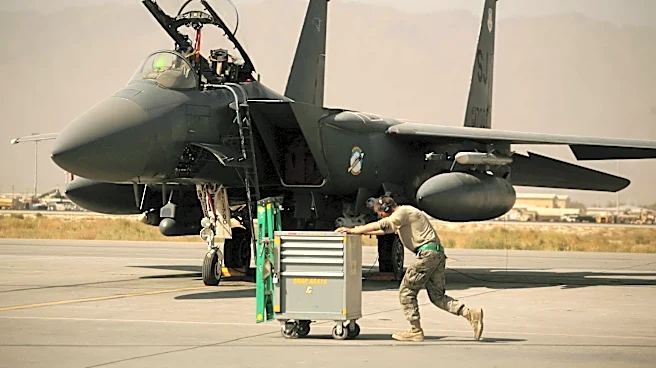
on the outcome of a military rescue operation after an American F-15E fighter jet was shot down over Iran. Moulton described the market as 'disgusting,' highlighting ethical concerns over profiting from life-and-death situations. Polymarket responded by stating that the market did not meet their integrity standards and was removed immediately. The incident has sparked a broader discussion about the ethical boundaries of prediction markets, especially those involving sensitive geopolitical events.
Why It's Important?
The removal of the betting market underscores the ethical challenges faced by prediction platforms in balancing user engagement with moral responsibility. This incident highlights the potential for such platforms to exploit sensitive situations for profit, raising questions about the regulation of prediction markets. The controversy also reflects broader societal concerns about the commodification of human life and the potential for such markets to influence public perception and policy. Stakeholders, including lawmakers and regulatory bodies, may need to consider stricter oversight to prevent similar situations in the future, ensuring that prediction markets operate within ethical and legal boundaries.
What's Next?
The incident may prompt increased scrutiny and potential regulatory action against prediction markets. Lawmakers, like Rep. Moulton, are likely to push for clearer guidelines and restrictions on what can be wagered upon, particularly concerning national security and human life. The Commodity Futures Trading Commission (CFTC) may also play a role in establishing and enforcing these regulations. Additionally, prediction market platforms may need to reassess their internal policies and safeguards to prevent similar controversies, potentially leading to industry-wide changes in how these markets operate.