

What's Happening?
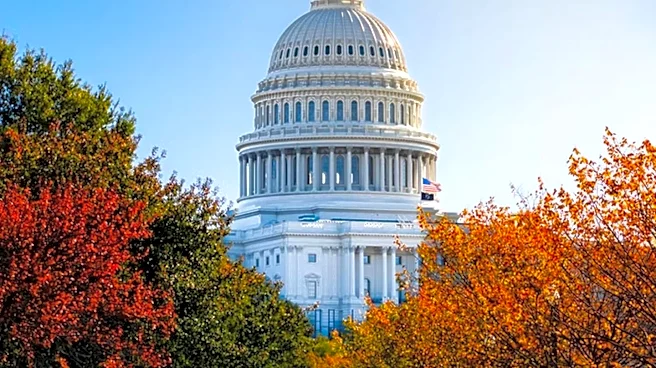
Content creators are actively engaging with the newly formed bipartisan Senate caucus, co-led by Senators John Kennedy (R-La.) and Cory Booker (D-N.J.), to push for policies that address their unique concerns. Shira Lazar, an internet culture creator,
highlighted that this caucus signifies a more serious governmental recognition of content creation as an industry and workforce. A key legislative priority for creators is the 'No Fakes Act,' a bill designed to establish voice and likeness rights to combat artificial intelligence deepfakes. YouTube, a significant platform for many creators, supports this bill and has been lobbying for its passage. Additionally, creators are advocating for the Small Business Administration to develop a regulatory code that formally recognizes their work, which they believe would simplify tax processes and loan applications. This engagement follows the establishment of a similar House caucus last year, indicating a growing focus on creator-related issues within the U.S. legislative landscape.
Why It's Important?
The increased legislative attention on content creators, marked by the formation of both House and Senate caucuses, signifies a critical shift in how the U.S. government views the burgeoning creator economy. Formal recognition through a regulatory code from the Small Business Administration could provide creators with clearer guidelines for taxes and access to financial resources like loans, which are currently complicated by the undefined nature of their profession. This could foster greater economic stability and growth within the creator sector, impacting thousands of individuals who rely on platforms like YouTube, Instagram, and TikTok for their livelihoods. The 'No Fakes Act' is particularly important as it addresses the growing threat of AI deepfakes, which can severely impact creators' intellectual property, reputation, and income. Protecting voice and likeness rights is crucial for maintaining trust and authenticity in digital content, safeguarding creators from exploitation, and potentially setting a precedent for broader AI regulation in the U.S. The discussions also highlight a desire among creators to be active participants in policy-making, rather than just a voting bloc, ensuring their unique perspectives are considered in future legislation.
What's Next?
Following the launch event of the Senate caucus, creators, including Shira Lazar, are planning a 'fly-in' to Washington D.C. to directly lobby for their policy priorities. A primary focus will be advancing the 'No Fakes Act,' which has already been marked up, though some senators have expressed concerns regarding its potential impact on online speech. This suggests that further debate and potential amendments to the bill are likely before it can move forward. The push for a regulatory code from the Small Business Administration is also expected to continue, with creators hoping for a forthcoming initiative to define their work. This could involve ongoing discussions between creator representatives and the SBA to establish clear guidelines. The engagement between creators and lawmakers is anticipated to evolve, with creators seeking to ensure their voices are heard in policy discussions beyond just serving as a forum for lawmakers to gain support. This ongoing dialogue will shape future legislation affecting the creator economy, intellectual property rights, and the broader digital landscape.
Beyond the Headlines
The legislative efforts by content creators to secure formal recognition and protection underscore a deeper societal shift towards the legitimization of digital professions. The struggle for a regulatory code and intellectual property rights like those proposed in the 'No Fakes Act' highlights the evolving nature of work and ownership in the digital age. Traditionally, artistic and professional endeavors have been defined by established industries and legal frameworks. However, the rapid rise of the creator economy has outpaced these structures, leading to ambiguities in taxation, business classification, and protection against emerging technologies like AI deepfakes. This movement reflects a broader ethical and legal challenge: how to adapt existing laws and create new ones to govern a decentralized, platform-dependent workforce. The outcome of these legislative battles could set precedents for how digital labor is valued, protected, and integrated into the national economy, potentially influencing future policies on gig work, digital rights, and the ethical use of artificial intelligence across various sectors.