



What's Happening?
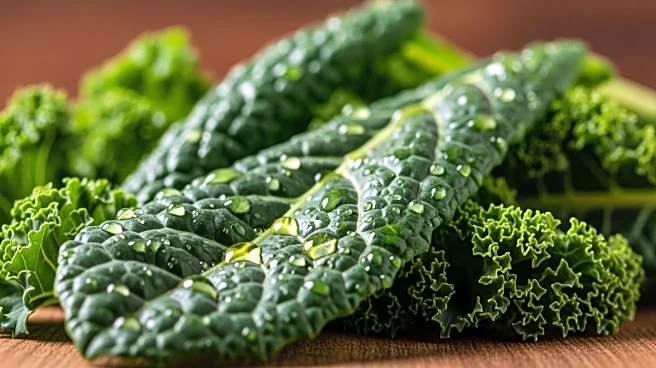
Researchers at the University of Missouri have found that using oil-based dressings or sauces can significantly enhance the absorption of nutrients from kale. The study, conducted by the College of Agriculture, Food and Natural Resources, highlights that the key
to unlocking kale's nutritional benefits lies in pairing it with a fat source like olive oil or mayonnaise. This discovery is based on the fact that kale contains fat-soluble carotenoids, which are not easily absorbed by the body when consumed alone. The research team used a laboratory model simulating human digestion to test various preparation methods, including raw, cooked, and with different dressings. The results showed that a nanoemulsion-based sauce significantly increased carotenoid absorption, regardless of whether the kale was raw or cooked.
Why It's Important?
This research is significant as it provides a practical solution to enhance the nutritional intake from kale, a popular health food. By identifying a simple method to improve nutrient absorption, the study could influence dietary recommendations and food preparation practices. The findings have broader implications for public health, as they suggest that similar strategies could be applied to other vegetables, potentially improving overall nutrition and reducing the risk of diseases such as diabetes, heart disease, and certain cancers. This could lead to the development of new food products and technologies aimed at enhancing nutrient bioavailability, thereby contributing to better health outcomes.
What's Next?
The research team plans to explore the development of innovative dressings and sauces that could further enhance nutrient absorption from kale and other vegetables. This could involve the use of nanotechnology-inspired formulations to maximize the health benefits of plant-based foods. The study's findings may also prompt further research into culinary strategies that improve the bioaccessibility of nutrients in various foods, potentially leading to new dietary guidelines and food industry innovations.
Beyond the Headlines
The study underscores the importance of food science in addressing nutritional challenges and improving public health. It highlights the potential for simple culinary adjustments to make a significant impact on nutrient intake and health outcomes. This research could also spark discussions on the role of food technology in enhancing the nutritional value of everyday meals, encouraging consumers to adopt healthier eating habits.