



What's Happening?
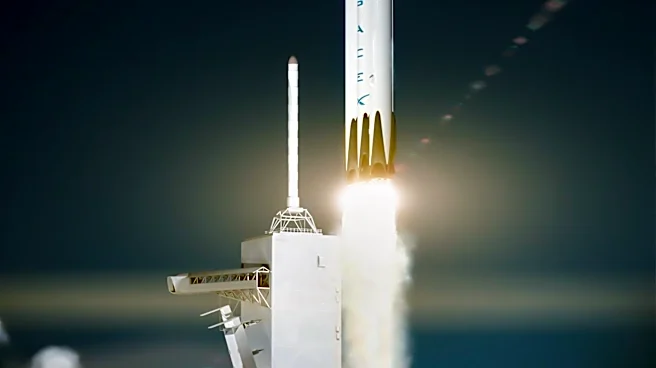
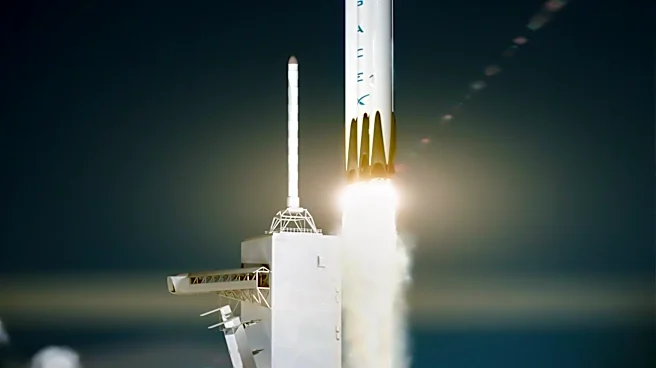
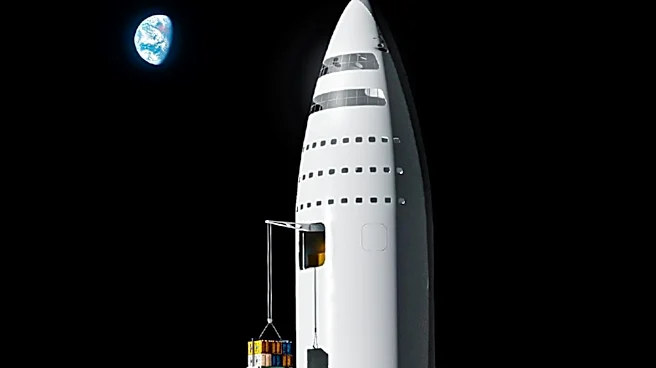
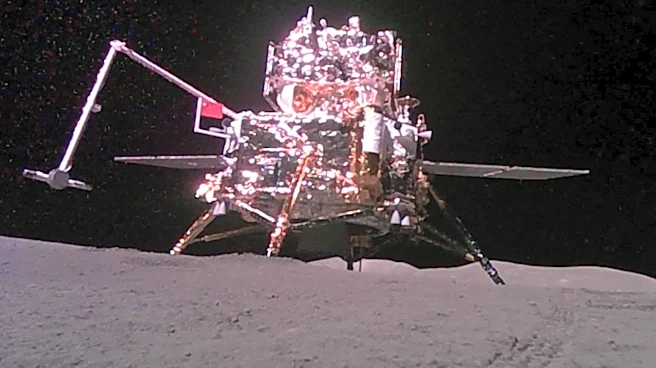
The United States and China are engaged in a competitive race to send humans to the Moon within the next four years. According to reports, both nations aim to achieve the first crewed lunar landing in over fifty years, with the U.S. targeting a 2028 landing and China aiming
for 2030. However, experts suggest that the American timeline is under pressure due to technical challenges and China's steady progress. The race is not only about national pride but also about establishing a permanent presence on the Moon, which could influence future deep space exploration.
Why It's Important?
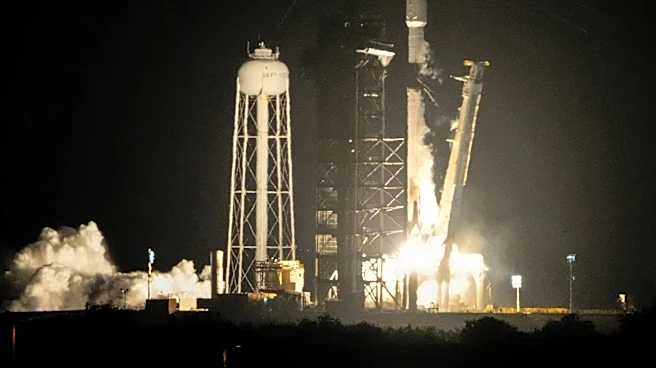
This renewed interest in lunar exploration marks a significant shift in global space ambitions, with potential implications for international cooperation and competition in space. The outcome of this race could determine which nation leads in space technology and infrastructure development, impacting geopolitical dynamics. The establishment of a permanent lunar presence could pave the way for future missions to Mars and beyond, influencing scientific research and commercial opportunities in space. The involvement of private companies like SpaceX and Blue Origin highlights the growing role of the private sector in space exploration.
What's Next?
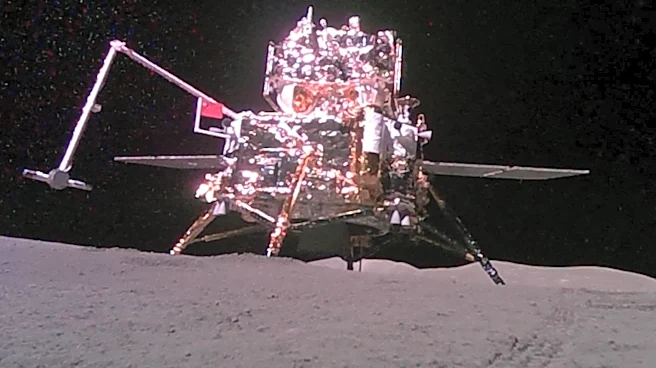
As both nations continue to develop their lunar programs, the focus will be on overcoming technical challenges and meeting ambitious timelines. The U.S. will need to address issues with its commercial lander development, while China will continue to build on its successful robotic missions. The outcome of this race could lead to new international partnerships or heighten competition, depending on the geopolitical climate. The potential for shared infrastructure on the Moon could also open discussions on international space law and resource utilization.