





What's Happening?
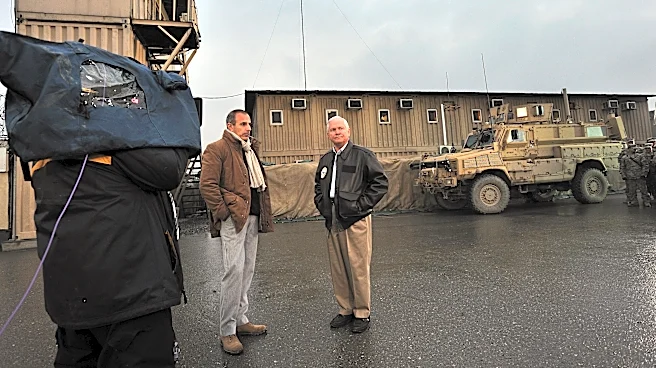
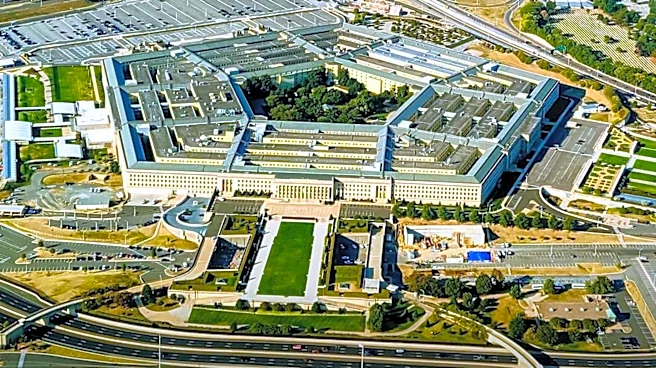
A federal judge has blocked the Pentagon from enforcing a policy that required journalists to be escorted at all times while on its premises. U.S. District Judge Paul Friedman ruled that the policy likely violates the First Amendment, as it could be seen
as retaliatory against the press. The policy, implemented in October 2025, was challenged by The New York Times, which argued that it imposed unreasonable burdens on newsgathering. The Pentagon had previously established an interim policy that restricted journalists' access, which was also blocked by the court. The Pentagon plans to appeal the decision, arguing that unescorted access poses security risks.
Why It's Important?
This ruling underscores the ongoing tension between national security measures and press freedom in the United States. The decision is significant as it reaffirms the importance of the First Amendment in protecting journalistic activities, especially in sensitive areas like the Pentagon. The outcome of this legal battle could set a precedent for how government agencies balance security concerns with the rights of the press. The ruling is a victory for media organizations advocating for transparency and access to government operations, potentially influencing future policies regarding press access to federal facilities.
What's Next?
The Pentagon's decision to appeal the ruling indicates that the legal battle over press access is far from over. The appeal process will likely involve further scrutiny of the balance between security protocols and First Amendment rights. Media organizations and press freedom advocates will continue to monitor the situation closely, as the outcome could impact journalistic practices and access to government information. The case may also prompt discussions on how to ensure security without infringing on press freedoms.