


What's Happening?
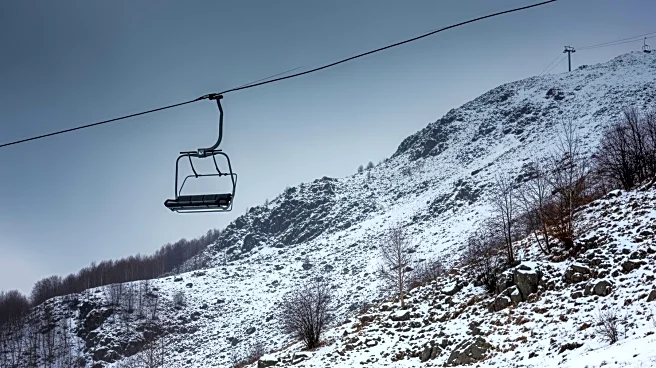
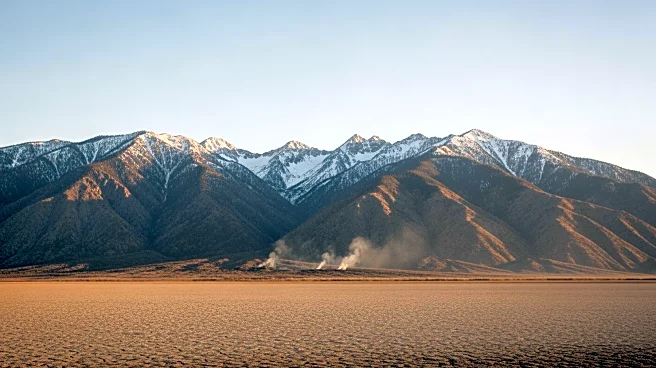
The western United States is experiencing a record snow drought, with states like Oregon, Colorado, and Utah reporting their lowest snowpack levels since the early 1980s. This unprecedented situation is attributed to an extremely warm winter, which has
led to snow cover being roughly a third of its typical level for this time of year. The National Snow and Ice Data Center has expressed concern over the impact on water supplies, as snowpack is a crucial source of water for millions of people, agriculture, and ecosystems. The drought is exacerbating existing water management challenges, particularly for the Colorado River, which supplies water to seven states and parts of Mexico.
Why It's Important?
The snow drought poses significant risks to water availability and increases the likelihood of wildfires in the western US. With snowpack levels critically low, water managers are concerned about the ability to meet the needs of agriculture, urban areas, and natural ecosystems. The situation underscores the vulnerability of water resources to climate variability and highlights the urgent need for sustainable water management practices. The drought also complicates ongoing negotiations over the Colorado River's water allocation, with potential legal and political ramifications if federal intervention becomes necessary. The broader implications of this drought could affect food production, energy generation, and biodiversity in the region.
What's Next?
Negotiations over the Colorado River's water management are reaching a critical point, with a deadline looming for states to agree on a plan. Failure to reach a consensus could result in federal intervention, leading to potential legal disputes. Meanwhile, meteorologists predict some relief with cooler, wetter weather expected, but it is unlikely to fully alleviate the drought conditions. The situation calls for immediate and long-term strategies to address water scarcity and mitigate the impacts of climate change on water resources. Stakeholders, including government agencies, environmental groups, and agricultural interests, will need to collaborate to develop adaptive management solutions.