


What's Happening?
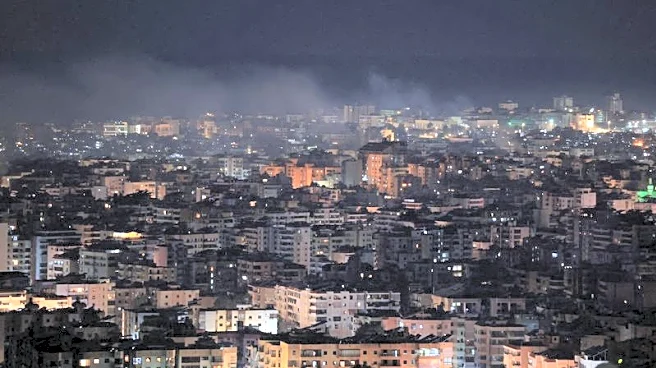
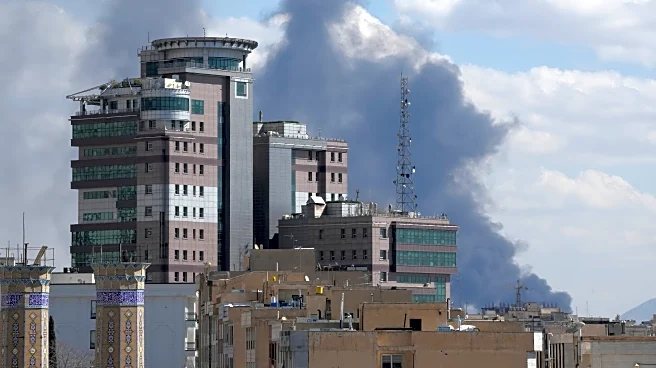
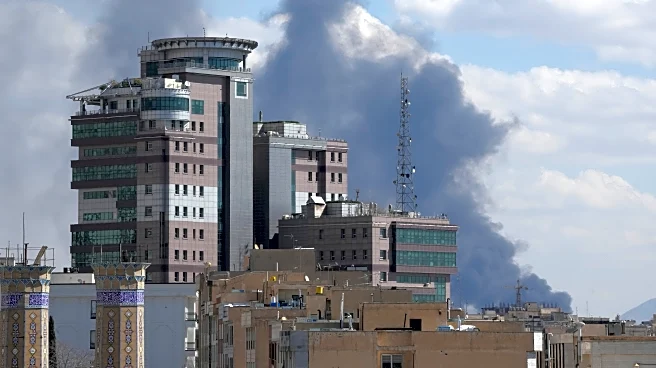
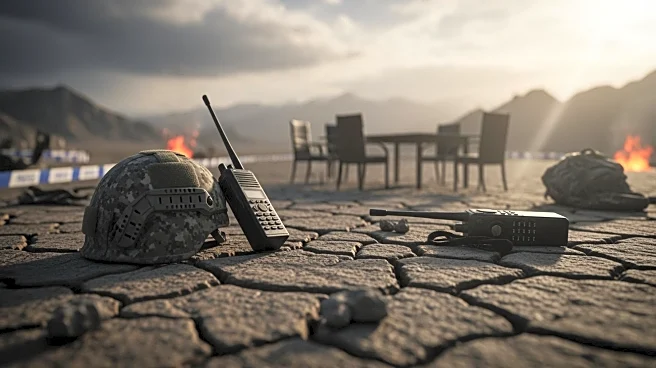
The ongoing military conflict involving the United States and Israel against Iran has intensified, resulting in the deaths of three American troops. The conflict, which has seen missile and drone strikes across the Middle East, has also led to significant
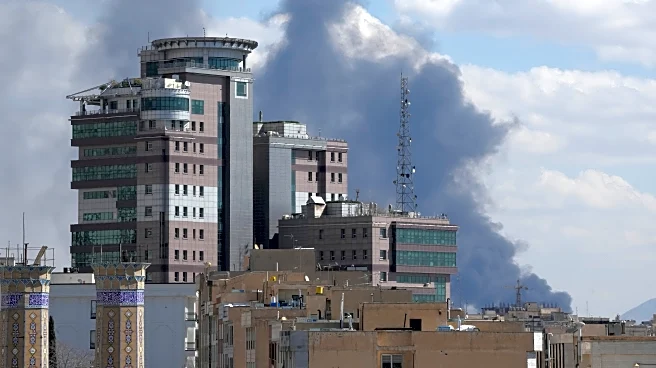
damage in Tehran, Iran's capital. The U.S. and Israeli forces have targeted key Iranian military and naval assets, including the destruction of nine Iranian naval ships. Iran has retaliated with strikes on U.S. bases in the Gulf States and has affected shipping through the Strait of Hormuz, a critical oil passage. The situation has escalated following the death of Iran's Supreme Leader Ali Khamenei, with Iran's interim leadership vowing continued resistance.
Why It's Important?
This conflict has significant implications for international relations and global oil markets. The Strait of Hormuz is a vital artery for global oil supply, and disruptions there could lead to increased oil prices and economic instability. The deaths of American troops may also influence U.S. domestic and foreign policy, potentially leading to increased military engagement in the region. The conflict could further strain U.S.-Iran relations and impact diplomatic efforts in the Middle East. Additionally, the involvement of Israel and the targeting of civilian areas could lead to broader regional instability.
What's Next?
The conflict is likely to continue as both sides have shown no signs of de-escalation. Iran's interim leadership has declared a period of mourning and has promised to appoint a successor to the late Supreme Leader. The U.S. and Israel may face international pressure to seek diplomatic solutions, while Iran's new leadership might engage in talks with the U.S., as indicated by President Trump's willingness to negotiate. The situation remains volatile, with potential for further military engagements and diplomatic efforts.