






What's Happening?
Oil prices have surged following an Iranian drone strike on an energy facility in Fujairah, UAE, marking a significant escalation in US-Iran hostilities. The attack has disrupted the fragile ceasefire established in early April and has led to increased
tensions in the Middle East. The incident has caused Brent futures to rise by 5.8%, settling above $114 a barrel. The UAE has issued missile alerts and is actively engaging with threats, while the US has imposed a naval blockade on Iranian ports, further complicating the situation.
Why It's Important?
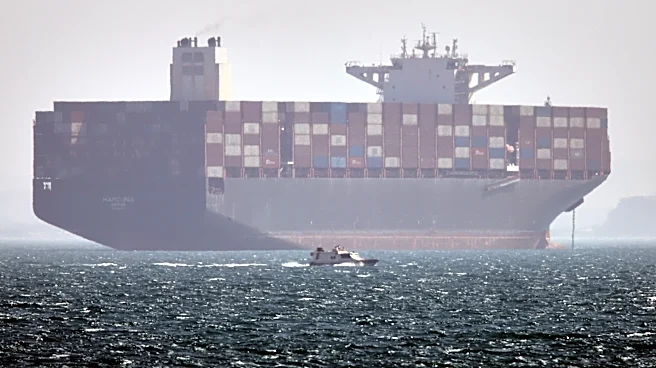
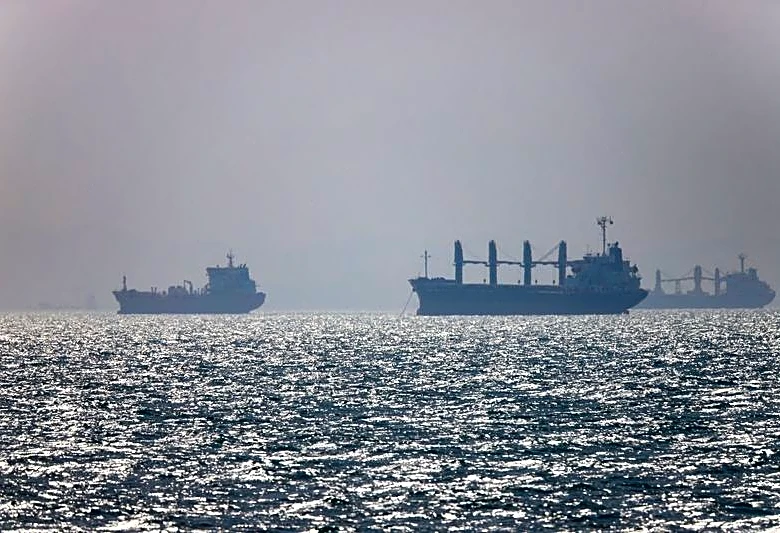
The escalation in hostilities between the US and Iran poses a significant threat to global oil supplies, particularly as the Strait of Hormuz is a critical shipping lane for oil exports. The disruption could lead to a global supply crunch, impacting energy prices and potentially triggering economic instability. The situation underscores the geopolitical risks associated with energy markets and highlights the vulnerability of global supply chains to regional conflicts.
What's Next?
The US military is planning to restore transit through the Strait of Hormuz to alleviate the supply disruption. However, the ongoing tensions and the potential for further attacks on energy infrastructure in the region remain significant concerns. The international community will be closely monitoring the situation, as any prolonged disruption could have far-reaching economic consequences.