





What's Happening?
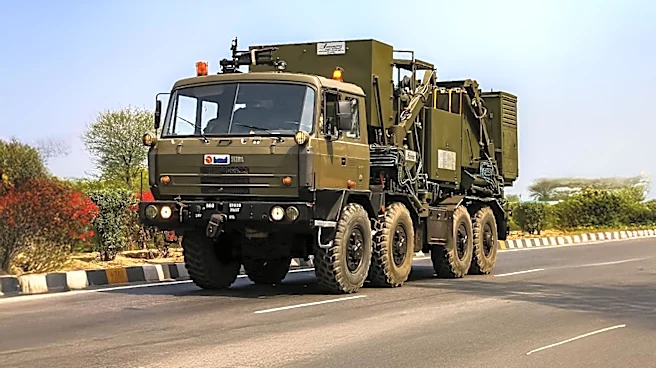
Sweden has finalized a deal to purchase Lockheed Martin’s M142 HIMARS (High Mobility Artillery Rocket System) for approximately 7 billion Swedish kronor (US$733 million). The Swedish Ministry of Defence announced that the first deliveries of these rocket
artillery systems are scheduled for 2027. This acquisition is driven by the current security situation, necessitating rapidly available capabilities to complement Sweden's existing Archer self-propelled howitzers. The addition of American-produced rocket artillery will significantly enhance the Swedish Armed Forces' ability to operate over larger areas and with greater long-range precision. Defense Minister Pål Jonson emphasized that this procurement demonstrates Sweden's commitment to European security. In parallel, Lockheed Martin and Saab are signing a joint declaration to explore the potential integration of Saab’s Ground-Launched Small Diameter Bomb and the production of munitions for HIMARS and other systems, including the Patriot air-defense system. Additionally, Sweden and Finland have signed a declaration to cooperate on rocket artillery, covering training, supply security, and production, as Finland's Multiple Launch Rocket System uses similar munitions and components as HIMARS.
Why It's Important?
This acquisition is a significant development for Sweden's defense capabilities and its role in European security. The HIMARS system provides a crucial long-range precision strike capability that was previously lacking, allowing Sweden to project power more effectively and deter potential aggressors. For the U.S. defense industry, this deal reinforces Lockheed Martin's position as a leading supplier of advanced military hardware to European allies, demonstrating the continued demand for American-made systems. The collaboration between Lockheed Martin and Saab on munitions production and integration could also foster deeper transatlantic defense industrial ties and potentially lead to new export opportunities for both companies. The broader cooperation with Finland on rocket artillery further strengthens regional defense integration in the Nordic-Baltic area, enhancing interoperability and collective security. This move also highlights the ongoing rearmament efforts across Europe in response to evolving geopolitical challenges, with many nations seeking to upgrade their military capabilities and reduce reliance on older systems.
What's Next?
The immediate next step is the scheduled delivery of the first HIMARS systems in 2027. Following delivery, the Swedish Armed Forces will integrate these systems into their existing structure, likely forming a dedicated rocket artillery unit as planned in their 2024 defense bill. The joint declaration between Lockheed Martin and Saab will progress, potentially leading to concrete agreements on the integration of Saab's munitions and localized production, which could further enhance Sweden's defense industrial base. The cooperation with Finland on rocket artillery will involve joint training exercises, efforts to ensure supply chain security, and potentially collaborative production initiatives. This will strengthen regional defense capabilities and interoperability. Sweden's continued defense spending and procurement plans, as outlined in its 2025-2030 defense bill, will likely focus on further modernizing its military and enhancing its contributions to European security, potentially including additional acquisitions of advanced U.S. or European defense systems.
Beyond the Headlines
Sweden's decision to acquire HIMARS, a U.S.-produced system, underscores a broader trend among European nations to invest in proven, high-performance military technology, often from the United States, to rapidly enhance their defense capabilities. This move also reflects the strategic importance of long-range precision fires in modern warfare, a lesson reinforced by recent conflicts. The collaboration with Finland on rocket artillery highlights the growing emphasis on regional defense cooperation and interoperability, which is crucial for collective security within NATO and the broader European context. Furthermore, the potential for localized production of munitions through the Lockheed Martin-Saab partnership could contribute to greater European defense industrial autonomy and resilience, reducing reliance on single-source suppliers. This acquisition is not just about military hardware; it's a strategic investment in Sweden's national security, its role in European defense, and its commitment to maintaining a robust and modern military force in a complex global environment.