





What's Happening?
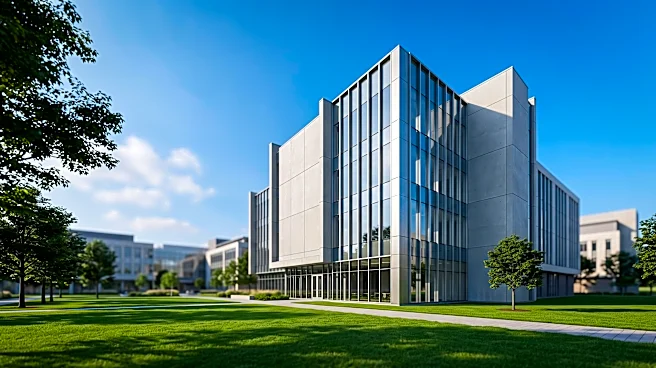
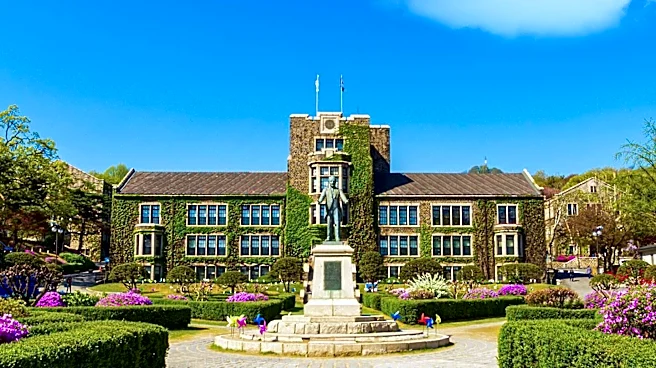
Higher education institutions are actively re-evaluating and redesigning collegiate classrooms to meet the needs of a more diverse student body. Today's college students are increasingly varied in terms of gender, race, age, and first-generation status,
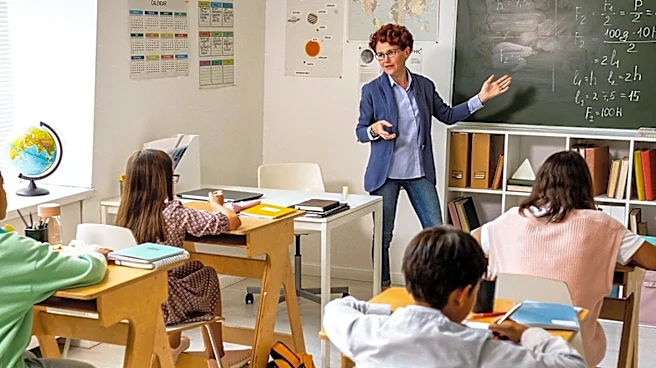
and they are making different calculations about the value of higher education. To address these shifts, campuses are focusing on creating environments that support the 'Whole Student,' encompassing educational and personal growth, mental and physical wellness, financial literacy, relationship-building, equity, and identity. The core of this transformation lies in the classroom, which is being designed with intentionality to facilitate three fundamental pedagogical actions: absorbing, engaging, and creating. This involves robust infrastructure and planned flexibility, allowing furniture to be rearranged for various configurations and ensuring work surfaces are adequate for diverse tasks. Institutions are also prioritizing efficiency by creating multi-user spaces rather than highly specialized ones, enabling them to adapt to new programs and teaching styles.
Why It's Important?
This strategic shift in classroom design is crucial for the future of higher education in the U.S. As student demographics evolve and the perceived value of a college degree is scrutinized, institutions must adapt to remain competitive and relevant. By focusing on the 'Whole Student,' colleges aim to improve student retention and performance, which are increasingly tied to public funding. Creating flexible, engaging, and equitable learning environments can foster stronger intellectual growth and a sense of belonging, particularly for first and second-year students. The emphasis on modular and adaptable furniture, along with multi-user spaces, reflects a pragmatic approach to resource allocation, ensuring that investments in physical infrastructure yield high utilization and impact. This transformation is not just about aesthetics; it's about fundamentally rethinking how physical spaces can support diverse learning styles and holistic student development, ultimately shaping the next generation of creators and critical thinkers.
What's Next?
The trend of redesigning collegiate classrooms will likely continue to gain momentum, with institutions further investing in flexible and adaptable learning spaces. Future developments may include more advanced technological integrations that support diverse teaching methodologies and collaborative learning. There will be an ongoing focus on furniture selection that prioritizes usability, comfort, and reconfigurability to accommodate various pedagogical approaches, from group work to individual study. Institutions will also continue to prioritize efficiency by developing spaces that can serve multiple users and functions, allowing for greater agility in responding to evolving academic programs and student needs. The concept of the 'Whole Student' will remain central, guiding decisions related to campus infrastructure and support services, ensuring that physical environments contribute to overall student well-being and success. This continuous evolution aims to create more invigorating, welcoming, and efficient learning environments that can attract and retain a dynamic pool of new learners.
Beyond the Headlines
The transformation of collegiate classrooms extends beyond mere physical changes; it reflects a deeper philosophical shift in higher education. The move towards supporting the 'Whole Student' acknowledges that academic success is intertwined with mental, physical, and social well-being. This holistic approach challenges traditional models that primarily focused on academic instruction, recognizing the complex needs of modern students. The emphasis on flexible and adaptable spaces also speaks to the evolving nature of work and learning in the 21st century, where collaboration, critical thinking, and problem-solving are paramount. By designing classrooms that encourage diverse interactions and active learning, institutions are preparing students not just for specific careers but for a dynamic and unpredictable future. This evolution also raises questions about equity and access, ensuring that these redesigned spaces are welcoming and beneficial for all students, regardless of their background or learning style, thereby fostering a more inclusive educational experience.