





What's Happening?
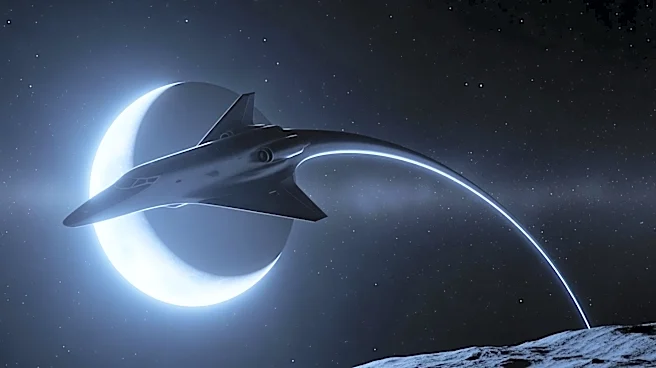
NASA's Artemis II mission is set to achieve a historic milestone with a lunar flyby that will take astronauts farther from Earth than ever before. The mission, which launched on April 1, includes a crew of four astronauts aboard the Orion spacecraft.
The flyby will use lunar gravity to propel the spacecraft back toward Earth, surpassing the distance record set by Apollo 13. The event is being livestreamed globally, allowing audiences to witness this significant moment in space exploration. The mission is part of NASA's broader Artemis program, which aims to return humans to the Moon.
Why It's Important?
The Artemis II mission represents a significant step forward in human space exploration, building on the legacy of the Apollo program. By pushing the boundaries of human travel in space, the mission paves the way for future lunar exploration and potential human settlement on the Moon. The global livestreaming of the event highlights the increasing accessibility and public engagement with space missions, fostering a sense of shared human achievement. The mission's success could have far-reaching implications for international collaboration in space exploration and the development of new technologies.