

What's Happening?
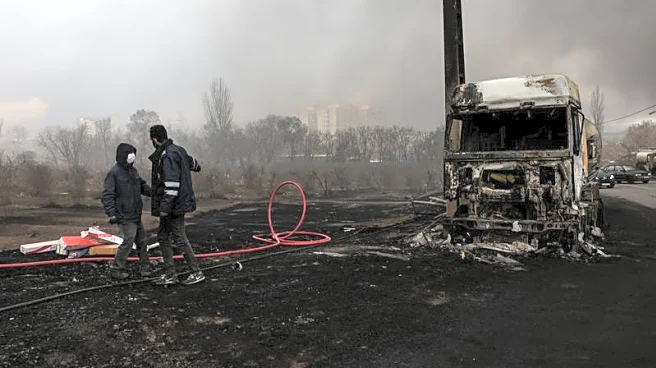
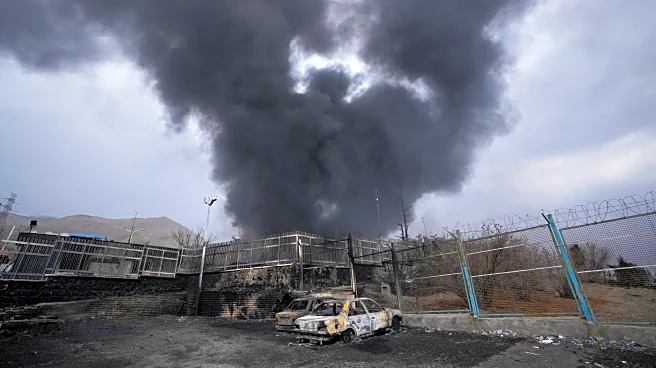
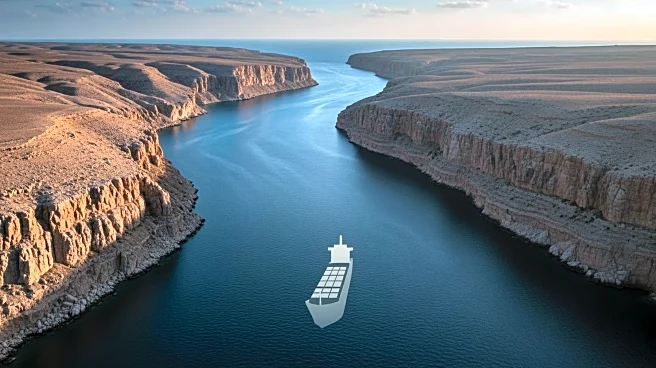
The ongoing conflict involving Iran has led to significant disruptions in oil and gas production in Iraq and Kuwait. These countries have begun shutting down production due to the effective closure of the Strait of Hormuz, a critical chokepoint for global
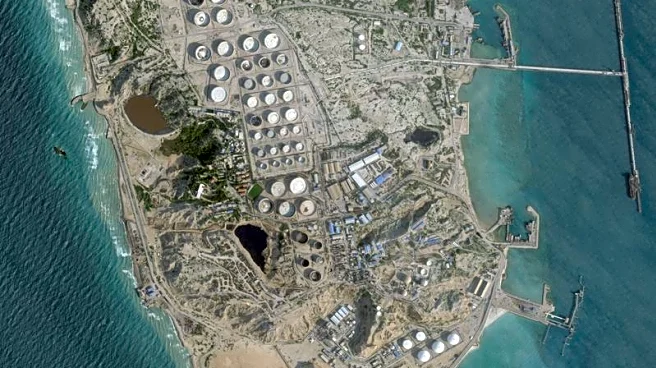
energy exports. The shutdowns are not only a response to military threats but also a result of logistical challenges in exporting oil. This situation has caused a ripple effect, with domestic storage capacities filling up and forcing production halts.
Why It's Important?
The shutdowns in Iraq and Kuwait highlight the vulnerability of global energy markets to geopolitical conflicts. The Strait of Hormuz is a vital artery for oil exports, and its closure can have severe implications for global energy supply and prices. The disruptions could lead to long-term challenges in restoring production capacity, potentially raising the floor price of energy worldwide. This situation underscores the need for diversified energy sources and strategic reserves to mitigate the impact of such conflicts.
What's Next?
The U.S. is preparing to offer subsidized insurance and potential naval escorts for oil tankers to ensure the continued flow of energy through the region. This move aims to stabilize the market and reassure global stakeholders. However, the long-term resolution of the conflict and restoration of production capacities remain uncertain. The international community may need to engage in diplomatic efforts to de-escalate tensions and secure energy supply chains.