








What's Happening?
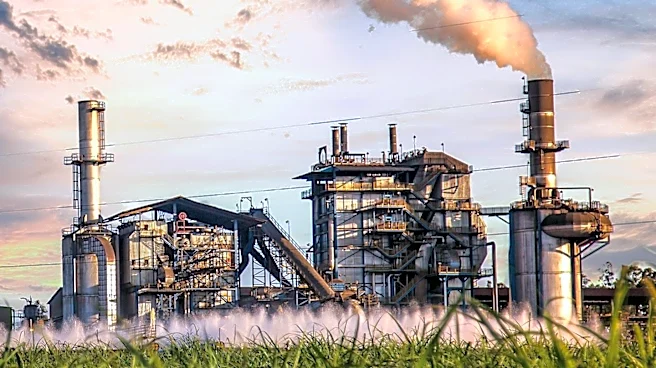
Two landowners in the South Carolina Lowcountry have filed an appeal with the S.C. Supreme Court regarding a proposed natural gas power plant. The plant is slated for construction in rural Colleton County, and the appeal stems from significant environmental
concerns raised by the landowners. This legal action indicates a continued effort to halt or alter the development of the power plant, which has likely faced opposition from local residents and environmental groups. The specific grounds for the appeal were not detailed, but typically such cases involve challenges to environmental impact assessments, permitting processes, or potential adverse effects on local ecosystems and public health. The move to the state's highest court signifies the importance and contentious nature of the project.
Why It's Important?
This Supreme Court appeal is important as it represents a critical juncture in the ongoing debate over energy infrastructure development versus environmental preservation in South Carolina. The outcome could set a precedent for future industrial projects in environmentally sensitive areas across the state. For the energy sector, a ruling against the plant could complicate future natural gas projects, potentially shifting investment towards other energy sources. For environmental advocates, a successful appeal would be a significant victory, reinforcing the importance of protecting natural landscapes and local communities from industrial pollution. Conversely, if the appeal is denied, it could pave the way for similar developments, potentially increasing environmental risks in other rural areas. The decision will impact local residents, the state's energy policy, and environmental regulations.
What's Next?
The S.C. Supreme Court will now review the appeal filed by the Lowcountry landowners. This process typically involves legal briefs from both sides, and potentially oral arguments, before a decision is rendered. The court could uphold previous rulings, overturn them, or send the case back to a lower court for further review. Depending on the outcome, the proposed natural gas power plant could either proceed with construction, face further delays, or be permanently halted. Stakeholders, including the power plant developers, environmental groups, and local residents, will closely monitor the court's proceedings. The decision will likely influence future legal challenges against industrial projects in South Carolina and potentially other states facing similar environmental concerns.
Beyond the Headlines
This legal battle highlights the broader tension between economic development and environmental stewardship, a common challenge in many U.S. regions. The case could bring increased scrutiny to the regulatory processes for approving large-scale industrial projects, particularly those involving fossil fuels. It also underscores the power of local communities and individual landowners to challenge powerful corporate and governmental entities when they perceive threats to their environment and quality of life. The outcome may influence public perception of natural gas as a 'bridge fuel' in the transition to renewable energy, especially in areas with significant ecological value. Furthermore, it could prompt a re-evaluation of how environmental justice considerations are integrated into infrastructure planning, ensuring that rural communities are not disproportionately burdened by industrial development.