





What's Happening?
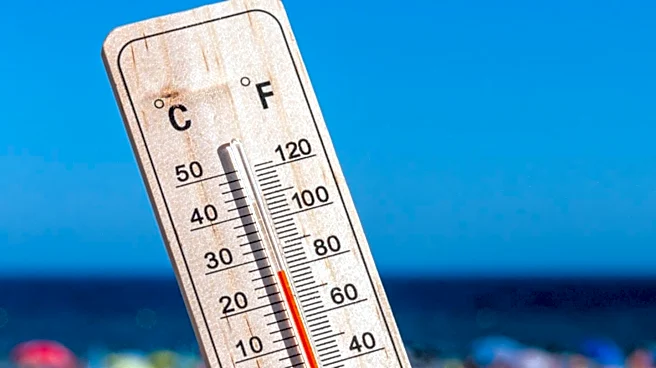
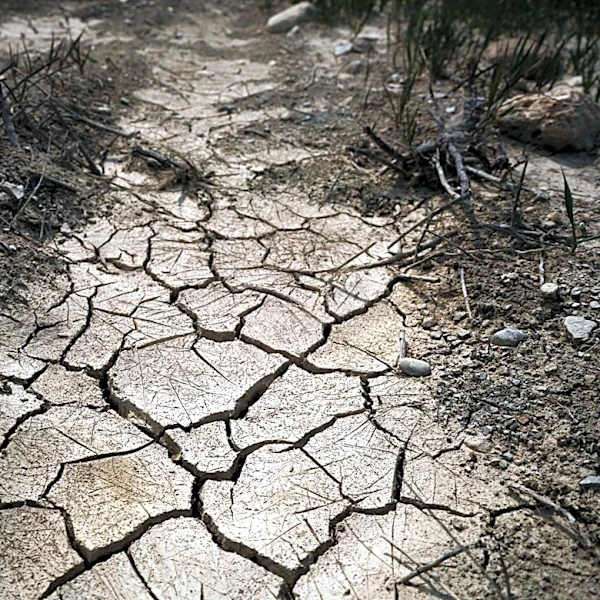
A severe heat wave has gripped the eastern United States, breaking temperature records and causing significant disruptions. On Friday, Washington, DC, recorded a temperature of 102 degrees, surpassing a record set in 1872. The heat wave has led to numerous
heat-related illnesses and at least one death in Pennsylvania. The Centers for Disease Control and Prevention (CDC) reported high rates of heat-related emergency room visits across the Northeast. In response to the extreme temperatures, several events, including the July Fourth parade in Washington, DC, and Philadelphia's Independence Day parade, have been canceled. Additionally, power outages have affected thousands in the New York metro area, with utility companies implementing voltage reductions to manage the increased demand for electricity.
Why It's Important?
The heat wave highlights the growing impact of climate change on weather patterns, with human-caused climate change making such extreme conditions more frequent and severe. The high temperatures pose significant health risks, particularly for vulnerable populations such as the elderly, children, and outdoor workers. The strain on the power grid underscores the challenges of maintaining infrastructure resilience in the face of climate-induced stress. The cancellations of major events also have economic implications, affecting tourism and local businesses that rely on holiday festivities. The situation calls for increased preparedness and adaptation measures to mitigate the effects of extreme weather events.
What's Next?
As the heat wave continues, cities across the affected regions are opening cooling centers and expanding public resources to help residents cope with the extreme temperatures. Authorities are urging people to stay hydrated, avoid strenuous activities, and seek shelter in air-conditioned environments. Energy providers are working to restore power and manage the grid's load to prevent further outages. The ongoing situation may prompt discussions on long-term strategies to address climate change and improve infrastructure resilience. Public health advisories and emergency measures are likely to remain in place as the heat wave persists.