







What's Happening?
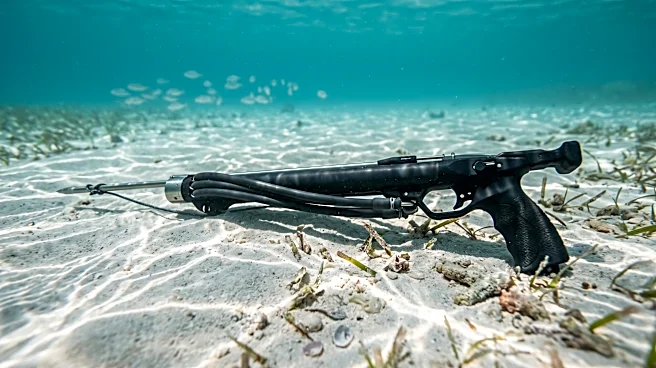
In September 2026, a 40-year-old diver from Mississippi was severely injured after being bitten on both arms by a 135 kg bull shark while spearfishing off the Florida coast. The incident necessitated an airlift to a hospital for emergency surgery. Florida is frequently
referred to as 'the shark bite capital of the world,' with bull sharks accounting for approximately 16% of all shark bites in the state. While fatalities from these encounters are rare, even 'test-bites' can result in life-altering injuries. Bull sharks are known for their aggressive nature and are apex predators found in Florida’s coastal shallows and brackish waterways, where they employ a 'bump-and-bite' method to hunt prey.
Why It's Important?
This incident underscores the inherent risks associated with water activities in Florida, particularly spearfishing in areas known for bull shark presence. For residents and tourists engaging in marine recreation, it highlights the critical importance of understanding local wildlife and exercising caution. The 'shark bite capital' designation, while often associated with minor incidents, can lead to severe injuries requiring extensive medical intervention, impacting individuals' lives and healthcare systems. Economically, such events can influence tourism, particularly water-based activities, if public perception of safety declines. It also reinforces the ongoing need for public awareness campaigns regarding shark behavior and safety protocols in coastal waters.
What's Next?
Following such incidents, local authorities and marine wildlife organizations typically reinforce public safety advisories for swimmers, divers, and other water enthusiasts. These advisories often include recommendations to avoid swimming at dawn or dusk, refrain from wearing shiny jewelry, and avoid areas with known shark activity or baitfish. Research into shark behavior and migration patterns may also intensify to better understand and mitigate risks. For the affected individual, a long recovery period involving multiple surgeries and rehabilitation is likely. The incident may also prompt discussions among spearfishing communities about enhanced safety measures and equipment to deter shark encounters.
Beyond the Headlines
Beyond the immediate physical trauma, a shark attack can have profound psychological impacts on survivors, leading to post-traumatic stress and a lasting fear of the ocean. This event also contributes to the broader narrative surrounding human-wildlife interactions, particularly in rapidly developing coastal regions where human activity increasingly overlaps with natural habitats. It raises ethical questions about coexistence and the balance between recreational pursuits and wildlife conservation. The incident serves as a stark reminder of the wildness that persists even in popular tourist destinations, prompting a deeper reflection on our place within natural ecosystems and the respect required when entering their domain.