


What's Happening?
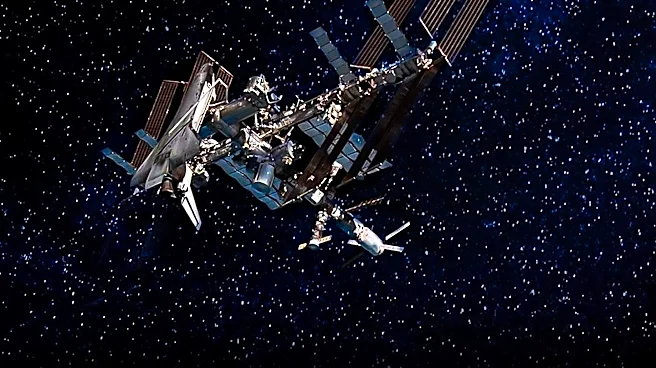
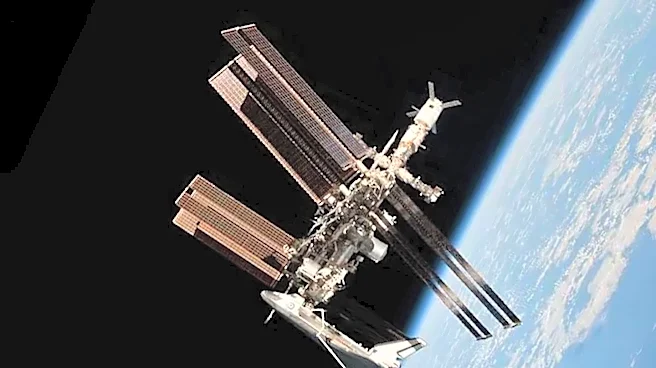
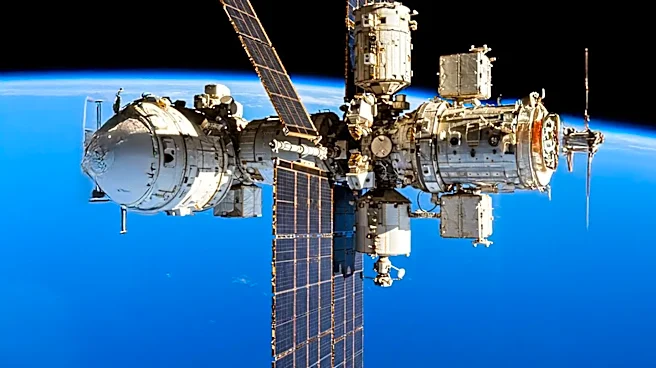
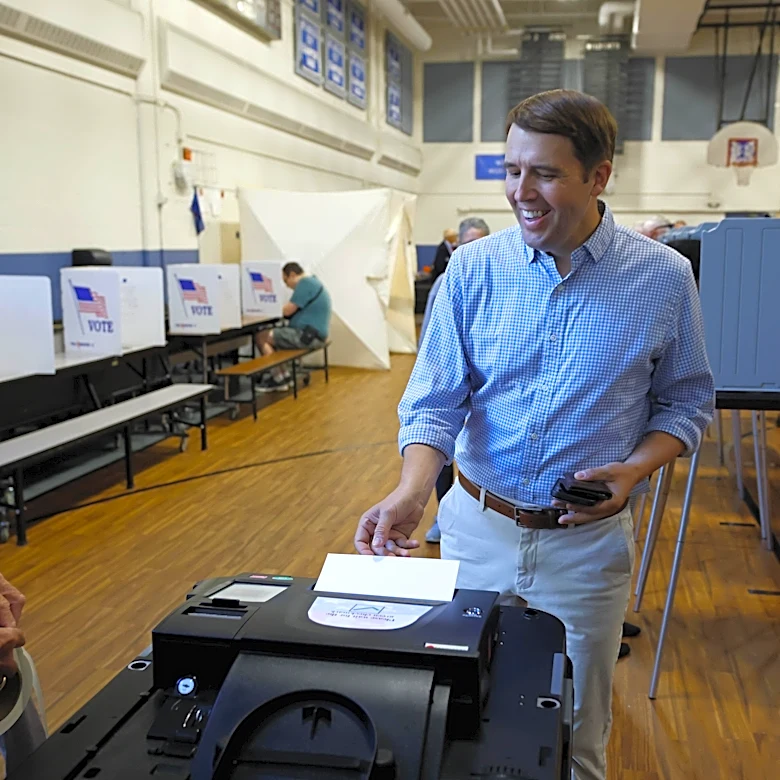
NASA astronaut Anil Menon has shared a video from the International Space Station (ISS) demonstrating how astronauts can participate in the U.S. midterm elections while in orbit. The video highlights the process that allows U.S. citizens serving as astronauts to
cast their ballots even when they are thousands of miles away from Earth. This capability ensures that individuals contributing to space exploration can still exercise their civic duty. The method involves secure communication channels between the ISS and election officials on Earth, allowing for the transmission and verification of votes. This process underscores the commitment to democratic participation, even under extraordinary circumstances like living and working in space.
Why It's Important?
The ability for NASA astronauts to vote from space is significant for several reasons. Firstly, it upholds the democratic right of U.S. citizens, regardless of their location, to participate in national elections. This is particularly important for astronauts who are often away from home for extended periods, sometimes during critical election cycles. Secondly, it showcases the advanced technological capabilities and secure communication systems developed by NASA and its partners, enabling such a unique form of remote voting. This precedent could potentially inform future discussions about secure remote voting methods for other populations in challenging environments. Lastly, it serves as a powerful symbol of civic engagement, demonstrating that even those pushing the boundaries of human exploration remain connected to their national responsibilities and democratic processes.
What's Next?
While the immediate next steps involve the ongoing U.S. midterm elections, the successful implementation of voting from space by astronauts like Anil Menon sets a precedent for future space missions. As human spaceflight extends to longer durations and more distant destinations, such as the Moon and Mars, the mechanisms for civic participation will become increasingly crucial. NASA and electoral bodies will likely continue to refine and secure these remote voting processes to accommodate future space explorers. This could involve developing even more robust and autonomous systems to ensure voting integrity and accessibility for astronauts on extended missions, further integrating democratic practices into the future of space exploration.
Beyond the Headlines
The act of voting from space carries deeper implications beyond just civic duty. It highlights the evolving definition of citizenship in an era of expanding human presence beyond Earth. As humanity ventures further into space, questions about governance, rights, and responsibilities for those living off-world will become more prominent. The current system for astronaut voting is a foundational step in addressing these future challenges, demonstrating a commitment to maintaining democratic principles regardless of geographical or even planetary location. It also subtly reinforces the idea that space exploration, while pushing technological and scientific boundaries, remains deeply connected to human societal values and political structures on Earth.