









What's Happening?
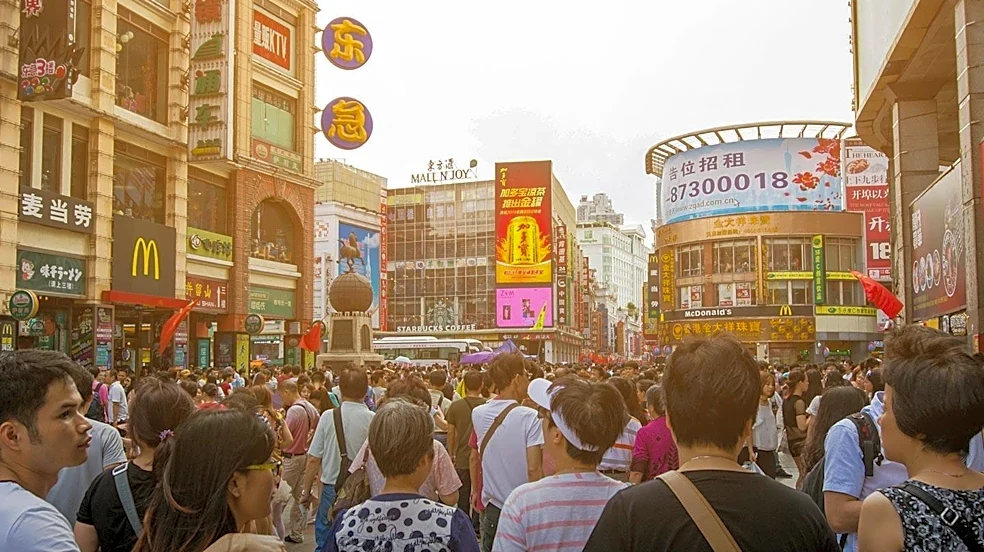
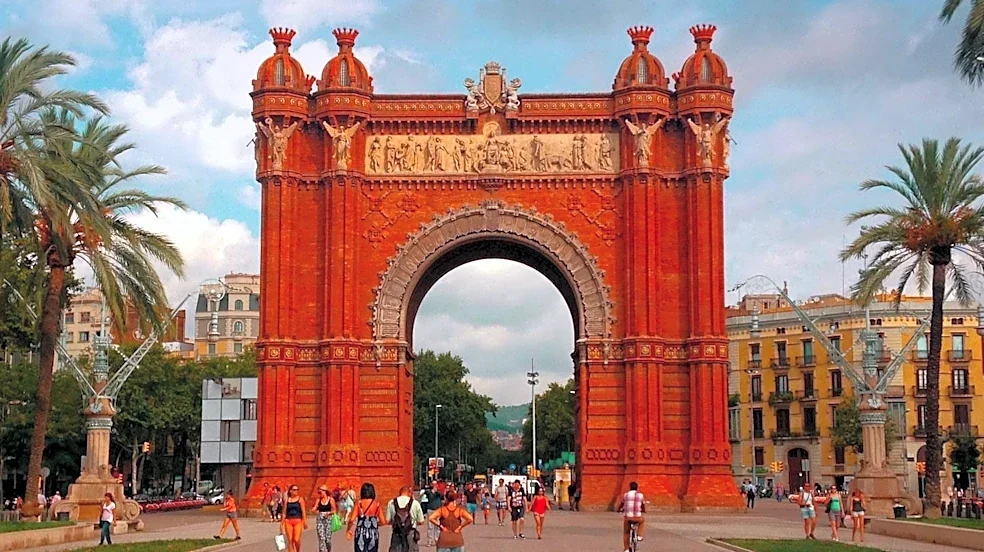
Overtourism has become a significant concern in several popular global destinations, including Venice, Barcelona, and parts of the Dolomiti mountains. Venice has implemented a €5 access fee for daytime visitors in an attempt to manage the influx of tourists,
but this measure has not fully resolved the issue, as local communities remain highly dependent on tourism for their livelihoods. In Trastevere, Rome, residents are actively protesting against overtourism, citing the loss of local businesses and cultural heritage. The Dolomiti mountains are also experiencing overcrowding and environmental degradation, leading to frustration among residents and local businesses. Mexico City has seen street protests due to overtourism, prompting officials to consider tighter regulations on short-term rentals and cruise ship capacities. The UN World Tourism Organization has identified overtourism as a trend raising concerns in various locations, including Hawaii, Greece, and smaller national parks in the U.S. and Japan.
Why It's Important?
The widespread issue of overtourism carries significant implications for both the affected destinations and the global tourism industry. Economically, while tourism can be a major revenue generator, excessive reliance on it can create an unsustainable dependency, as seen in Venice where local livelihoods are intertwined with tourist spending, making it difficult to implement effective crowd control measures. Socially, overtourism leads to the displacement of local residents, the erosion of cultural identity, and the transformation of authentic neighborhoods into commercialized tourist zones, as highlighted by the protests in Trastevere. Environmentally, high tourist volumes can strain local infrastructure, increase waste generation, and degrade natural resources, as observed in the Dolomiti mountains. This phenomenon underscores the critical need for diversified local economies and sustainable tourism practices that balance economic benefits with social and environmental preservation. The challenges faced by these destinations serve as a warning for other popular sites, including those in the U.S., to proactively address potential overtourism before it reaches critical levels.
What's Next?
The ongoing challenges of overtourism are prompting various responses and discussions globally. Destinations like Venice are experimenting with access fees, while others, such as Mexico City, are considering stricter regulations on short-term rentals and cruise ship capacities. The protests in places like Trastevere indicate a growing demand from local communities for greater involvement in tourism planning and for policies that prioritize their well-being and cultural preservation. Future developments are likely to include more comprehensive strategies for managing tourist flows, potentially involving advanced data analysis to understand carrying capacities, and efforts to diversify local economies to reduce over-reliance on tourism. There will also likely be continued pressure on governments and tourism bodies to implement more sustainable and inclusive tourism models that protect both the environment and local communities. The debate will continue on how to effectively balance the economic benefits of tourism with its social and environmental costs.
Beyond the Headlines
Overtourism reveals a fundamental tension between the economic imperative of growth and the preservation of cultural and environmental integrity. The commodification of unique places can lead to a 'tragedy of the commons,' where individual pursuit of profit or leisure collectively degrades the shared resource. This issue extends beyond mere inconvenience, touching upon questions of social equity, cultural authenticity, and environmental stewardship. The protests and policy responses highlight a growing awareness that tourism, if not managed responsibly, can destroy the very assets it seeks to exploit. It also brings to light the ethical responsibilities of tourists themselves to engage in more conscious and respectful travel. The long-term implications could include a shift towards 'slow tourism' or 'responsible tourism' models, where quality of experience and local benefit are prioritized over sheer volume, potentially reshaping the global travel landscape.