





What's Happening?
Recent research presented at the NUTRITION 2026 meeting by Wajiha Zulfiqar, a graduate student in Nutrition Science at Purdue University, suggests that unsweetened sparkling water may be a safer alternative to sugar-sweetened sodas in terms of dental
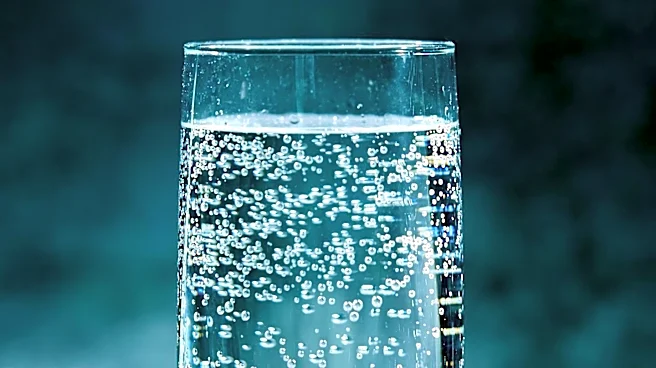
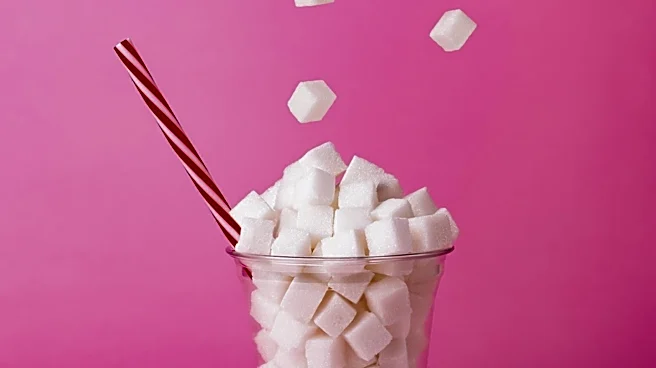
health. The study compared the effects of various beverages on mouth acidity, a key factor in dental erosion. It was found that while both soda and sparkling water can lower oral pH, the effect of sparkling water is less severe and more temporary. The study involved 20 adults who consumed sugar-sweetened soda, regular sparkling water, calcium-fortified sparkling water, and plain water. The researchers measured salivary pH to assess how the mouth responded to each drink. The findings indicated that soda caused the most significant drop in pH, while sparkling water's impact was less pronounced and quickly neutralized by saliva.
Why It's Important?
This research is significant as it addresses the growing consumer shift from sugary sodas to sparkling water, driven by health concerns. Dental erosion is a common issue linked to acidic beverages, and this study provides evidence that unsweetened sparkling water may pose a lower risk. The findings could influence consumer choices and encourage the beverage industry to explore reformulation strategies to reduce the erosive potential of acidic drinks. For public health, promoting alternatives that minimize dental erosion could lead to better oral health outcomes and reduce healthcare costs associated with dental treatments.
What's Next?
The research team plans to investigate the long-term effects of sparkling water on oral health. Future studies may explore whether sparkling water affects other oral health factors, such as gum health and overall dental integrity. These studies could provide more comprehensive insights into the benefits and risks of sparkling water consumption, potentially guiding public health recommendations and industry practices.