






What's Happening?
Iowa State University's Department of Horticulture recently hosted an event titled "Health and Wellness Through Horticulture," bringing together diverse groups to discuss the broader impact of horticulture. The event emphasized that horticulture extends
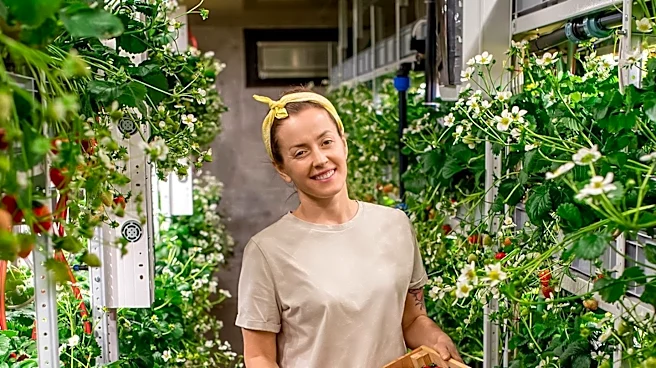
beyond plant cultivation and food production, playing a crucial role in physical health, mental well-being, stress reduction, and community connection. Speakers highlighted horticulture's significant economic contributions to Iowa, with edible horticulture crops alone generating approximately $41 million in crop sales and supporting over $66 million in statewide economic output. The industry encompasses various sectors, including fruit and vegetable production, greenhouse and nursery operations, turfgrass, landscaping, and public gardens. The event also showcased Iowa's rich horticultural heritage, noting its past as a top apple-producing state and its role in developing popular varieties like the 'Crimson Sweet' watermelon. The dinner served at the event featured vegetables grown at the university’s Horticulture Research Station, further illustrating the practical applications and quality of local produce.
Why It's Important?
This event underscores the multifaceted importance of horticulture to both the economy and public health in the U.S., particularly in states like Iowa. Economically, the sector provides substantial revenue and job creation, contributing tens of millions of dollars to the state's output. This economic vitality supports local communities and agricultural infrastructure. From a public health perspective, horticulture promotes access to healthy foods, encourages engagement with nature, and fosters community building, all of which are vital for improving residents' overall well-being. As communities seek innovative approaches to health improvement, horticulture offers tangible solutions through community gardens, green spaces, and fresh produce availability. The emphasis on horticulture's role in daily diets and its historical significance also highlights the potential for renewed focus on local food systems and sustainable agricultural practices, which can enhance food security and regional economic resilience.
What's Next?
The Iowa State University Department of Horticulture aims to continue building partnerships and fostering conversations about horticulture's role in Iowa and beyond. This suggests future initiatives focused on collaboration between academia, industry, and community leaders to further integrate horticultural practices into health and economic development strategies. Potential next steps could include increased research into the health benefits of horticulture, development of new educational programs to train future horticultural professionals, and outreach efforts to promote community gardening and local food consumption. Such efforts could lead to policy discussions aimed at supporting the horticulture industry through funding, grants, or incentives for sustainable practices. The event's success may also inspire other states or regions to host similar discussions, recognizing horticulture as a key component of a healthy and prosperous society.
Beyond the Headlines
Beyond the immediate economic and health benefits, the discussion around horticulture touches upon deeper societal implications. The emphasis on connecting with nature and building community through gardening addresses a growing need for mental well-being and social cohesion in an increasingly urbanized world. Horticulture can serve as a tool for environmental stewardship, promoting biodiversity and sustainable land use. Ethically, it raises questions about equitable access to fresh, healthy food, particularly in underserved communities, and how horticultural initiatives can address food deserts. Culturally, it reconnects individuals with traditional agricultural practices and local food heritage, fostering a sense of place and identity. Long-term shifts could include a greater societal appreciation for green spaces, a stronger emphasis on urban agriculture, and a more integrated approach to public health that recognizes the therapeutic and nutritional value of plants and gardening.