



What's Happening?
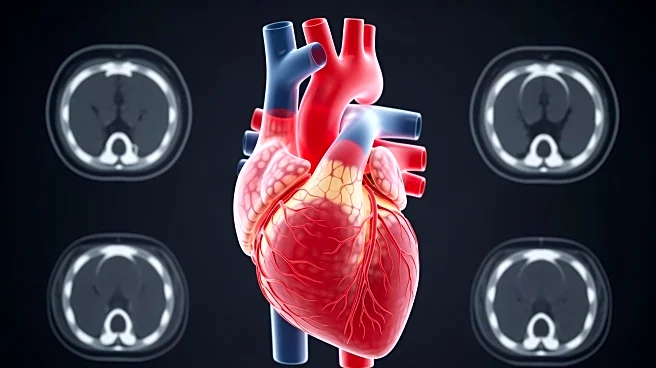
Kevin Murray, a Tampa resident, has emphasized the importance of cardiac health after surviving an emergency bypass surgery in 2003. His experience led him to undergo regular cardiology check-ups, including a cardiac CT scan in 2021, which showed no issues.
However, concerned about his family's history of heart disease, he encouraged his brother Patrick to get the same scan. Patrick's results revealed significant arterial blockages, necessitating immediate open-heart surgery. This discovery prompted all of Murray's brothers to undergo the scan, revealing advanced heart disease in each, leading to necessary surgeries. Dr. Mark Russo, a cardiac surgery expert, highlights family history as a critical risk factor for heart disease, recommending those with such histories to consult their doctors about monitoring their cardiac health.
Why It's Important?
The Murray family's experience underscores the critical role of advanced diagnostic tools like cardiac CT scans in detecting heart disease early, especially in individuals with a family history of the condition. This case highlights the potential for such technology to prevent catastrophic cardiac events by identifying issues before symptoms appear. The widespread use of cardiac CT scans could lead to earlier interventions, reducing the incidence of heart attacks and other severe cardiac events. This has significant implications for public health, potentially lowering healthcare costs associated with emergency treatments and improving patient outcomes through preventive care.
What's Next?
Following the successful surgeries, the Murray brothers continue to receive regular check-ups to monitor their heart health. This case may encourage more individuals with a family history of heart disease to seek advanced diagnostic testing. Healthcare providers might also consider recommending cardiac CT scans more frequently as a preventive measure. The broader adoption of such diagnostic tools could lead to changes in public health policies, emphasizing early detection and intervention strategies for heart disease.