






What's Happening?
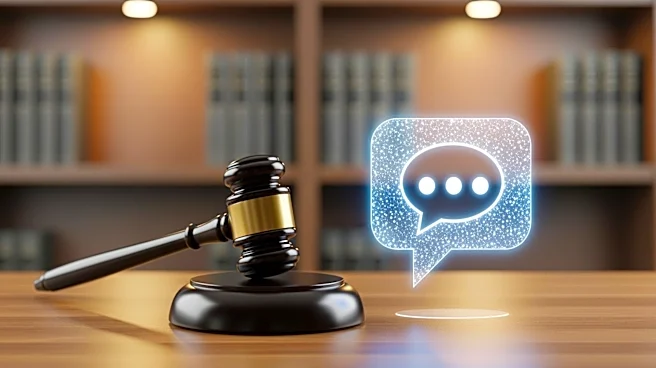
Hawai'i is on the verge of implementing new regulations to protect children from potential harm caused by artificial intelligence (AI). A bill is set for a final vote that mandates AI operators to display visible disclaimers, ensuring users are aware
they are interacting with AI and not a human. This measure is particularly focused on safeguarding minors, requiring disclaimers at the start of each session and hourly thereafter. The initiative is driven by concerns over AI's potential to emotionally manipulate children, leading to harmful behaviors. House Consumer Protection and Commerce Committee Chair Scot Matayoshi emphasized the importance of this legislation, citing an increase in youth becoming emotionally involved with AI, sometimes resulting in self-harm. The bill also includes provisions for AI chatbots to direct users expressing self-harm tendencies to crisis services and allows for legal action against non-compliant AI operators.
Why It's Important?
The proposed legislation in Hawai'i is significant as it addresses growing concerns about the influence of AI on vulnerable populations, particularly children. By requiring clear disclaimers and crisis intervention measures, the bill aims to mitigate risks associated with AI interactions, such as emotional manipulation and self-harm. This move reflects a broader trend of increasing scrutiny and regulation of AI technologies, especially in contexts involving minors. The legislation could set a precedent for other states to follow, potentially leading to nationwide standards for AI interactions with children. This could impact AI developers and operators, who may need to adjust their systems to comply with new regulations, thereby influencing the AI industry's approach to ethical considerations and user safety.
What's Next?
If the bill passes, AI operators in Hawai'i will need to implement the required disclaimers and crisis intervention protocols. This could prompt similar legislative efforts in other states, as lawmakers nationwide grapple with the ethical implications of AI technology. AI companies may also begin to proactively develop and implement safety measures to avoid future regulatory challenges. Additionally, the legislation could spark discussions on the broader implications of AI in society, particularly concerning privacy, consent, and the psychological impact of AI interactions.