




What's Happening?
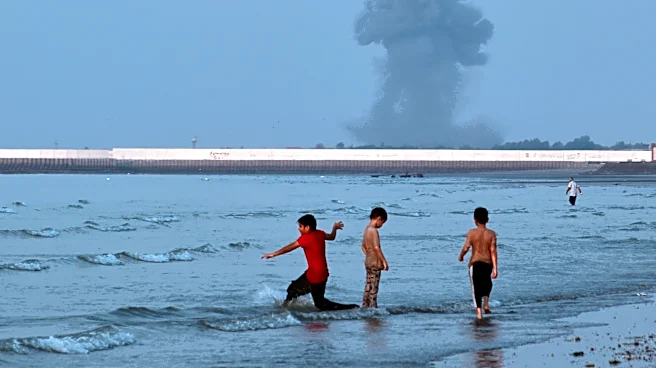
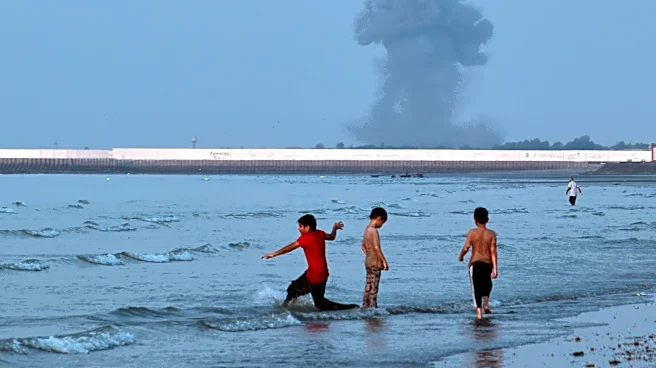
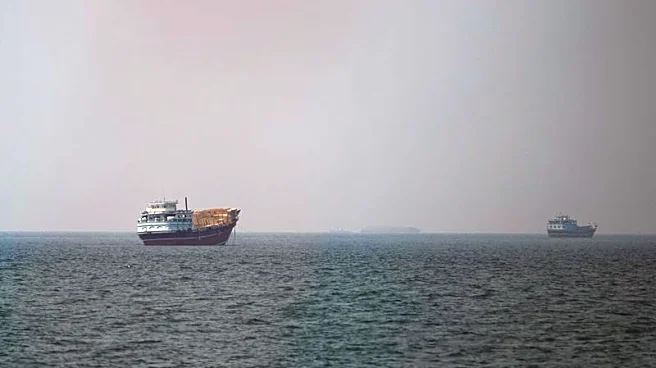
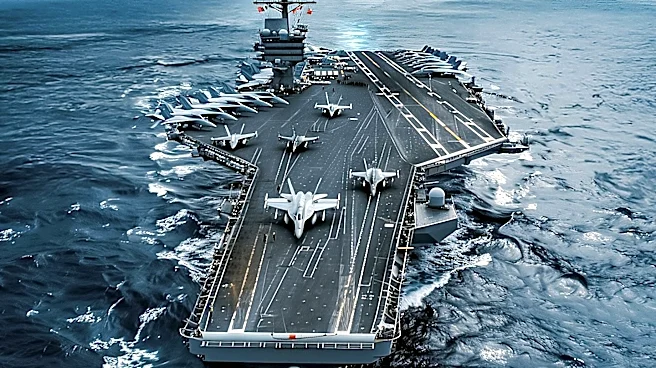
President Trump has initiated a series of limited military strikes against Iran in the Persian Gulf. This action is part of a strategy to apply military pressure on Iran to return to the negotiating table. The tensions arise from Iran's use of the Strait
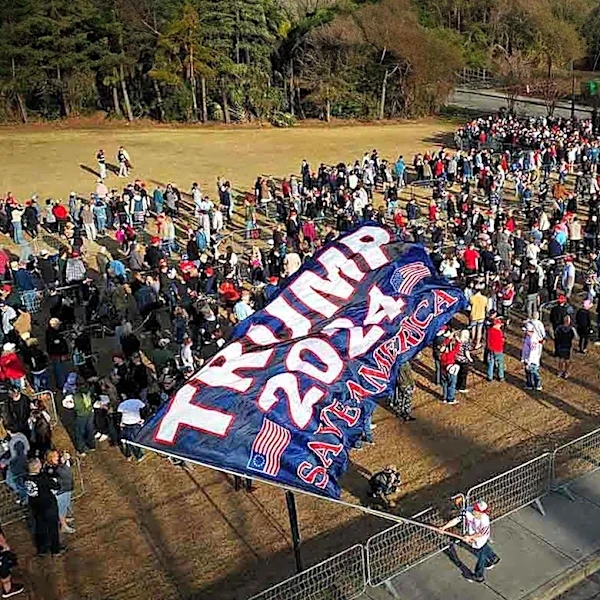
of Hormuz as a bargaining chip, which has led to increased frustration from the U.S. administration. The situation is further complicated by the upcoming U.S. midterm elections, where President Trump is keen to project strength to his political base. The strikes are not intended to escalate into a full-scale war but rather to deter Iran and push for more focused negotiations.
Why It's Important?
The military strikes ordered by President Trump are significant as they reflect the ongoing geopolitical tensions between the U.S. and Iran. The Strait of Hormuz is a critical chokepoint for global oil supplies, and any disruption could have widespread economic implications. The U.S. aims to maintain freedom of navigation in the region while also addressing the strategic interests of its Gulf allies, who have been affected by Iranian missile attacks. The situation also has domestic political implications for President Trump, as he seeks to maintain support ahead of the midterm elections. The use of military force as a negotiation tool highlights the complexities of U.S.-Iran relations and the broader impact on international diplomacy.
What's Next?
The future of U.S.-Iran relations remains uncertain, with potential for further military engagements if negotiations do not progress. The U.S. has restored a blockade targeting Iranian ports and proposed additional charges on cargo through the Strait of Hormuz. The outcome of the U.S. midterm elections could influence President Trump's approach, with potential shifts in policy depending on the political landscape. Both sides are under pressure to reach a resolution, but the risk of escalation remains if diplomatic efforts fail.