







What's Happening?
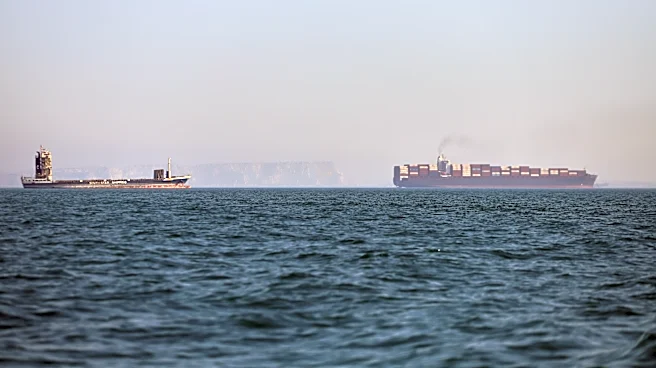
The International Energy Agency (IEA) has reported a projected 0.5% decline in global gas demand for 2026, attributed to geopolitical tensions and disruptions in the Strait of Hormuz. The strait, a critical chokepoint for global energy flows, has seen
significant disruptions due to conflicts involving Iran, leading to a substantial drop in liquefied natural gas (LNG) supply from Qatar and the UAE. Despite interim agreements between Iran and the US, market volatility persists, with wholesale natural gas prices more than doubling. The decline in gas demand marks the third consecutive year of reduced consumption, driven by increased renewable energy generation and geopolitical instability.
Why It's Important?
The decline in global gas demand highlights the shifting dynamics in the energy sector, with renewable energy sources gaining prominence. This trend could accelerate the transition towards cleaner energy, reducing reliance on fossil fuels and mitigating climate change impacts. The geopolitical tensions affecting gas supply underscore the vulnerability of global energy markets to political conflicts, emphasizing the need for diversified energy sources. The rising gas prices could have economic implications, affecting industries reliant on natural gas and potentially leading to increased costs for consumers.
What's Next?
The ongoing geopolitical tensions and market volatility suggest that energy stakeholders will need to adapt to a rapidly changing landscape. Countries may increase investments in renewable energy infrastructure to reduce dependency on fossil fuels and enhance energy security. Additionally, the energy sector may see increased collaboration and negotiations to stabilize supply chains and manage price fluctuations. The situation also calls for strategic planning to address potential disruptions and ensure a reliable energy supply in the face of geopolitical challenges.