
What's Happening?
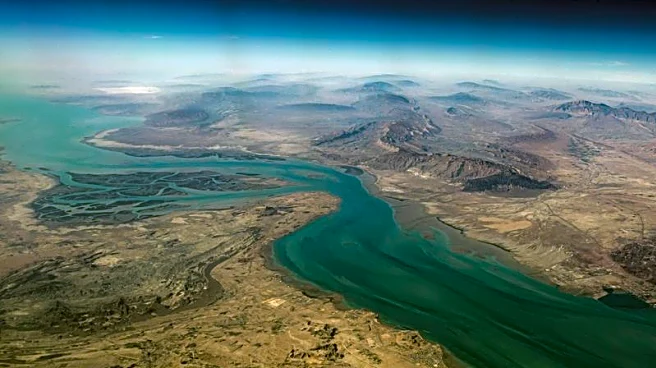
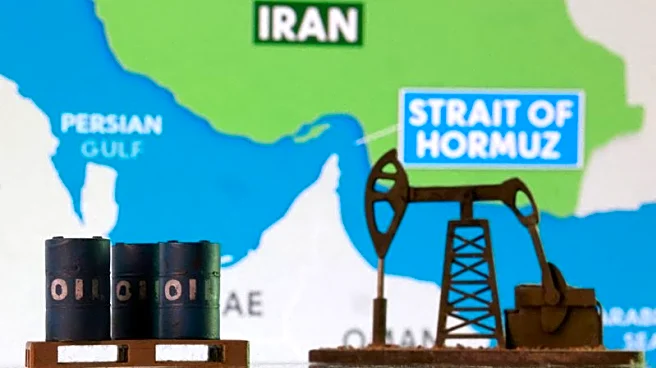
The Chinese government has called for the protection of vessels passing through the Strait of Hormuz, a critical maritime passage, amid escalating tensions in the region. This call comes as shipping freight rates have surged due to the conflict between
the United States, Israel, and Iran, which has led to a significant reduction in maritime traffic through the strait. The Strait of Hormuz is a vital channel for global oil and gas shipments, and its effective closure has resulted in increased energy prices and shipping costs. The Chinese foreign ministry has urged all parties to cease military operations and ensure the safety of navigation in the strait. China, being the largest importer of oil and a major buyer of Iranian oil, is particularly vulnerable to these disruptions.
Why It's Important?
The situation in the Strait of Hormuz has significant implications for global energy markets and international trade. The strait is a crucial artery for the transportation of oil and gas, and its closure affects energy exports from major producers like Saudi Arabia, the UAE, and Iran. The disruption has led to increased energy prices, impacting countries heavily reliant on Middle Eastern oil, such as China, Japan, and South Korea. The rise in shipping costs also affects global trade, as companies reroute vessels to avoid the high-risk area, leading to longer transit times and higher expenses. This situation underscores the geopolitical risks associated with energy supply routes and the potential for conflict to disrupt global markets.
What's Next?
If the closure of the Strait of Hormuz continues, it is expected to further drive up energy prices and shipping costs. Countries dependent on Middle Eastern oil may seek alternative energy sources or routes, while shipping companies might continue to reroute vessels around the Cape of Good Hope, increasing transit times and costs. The international community may increase diplomatic efforts to de-escalate tensions and ensure the safety of navigation in the strait. Additionally, maritime insurers may adjust their coverage and premiums in response to the heightened risks, affecting the cost and availability of shipping services in the region.