





What's Happening?
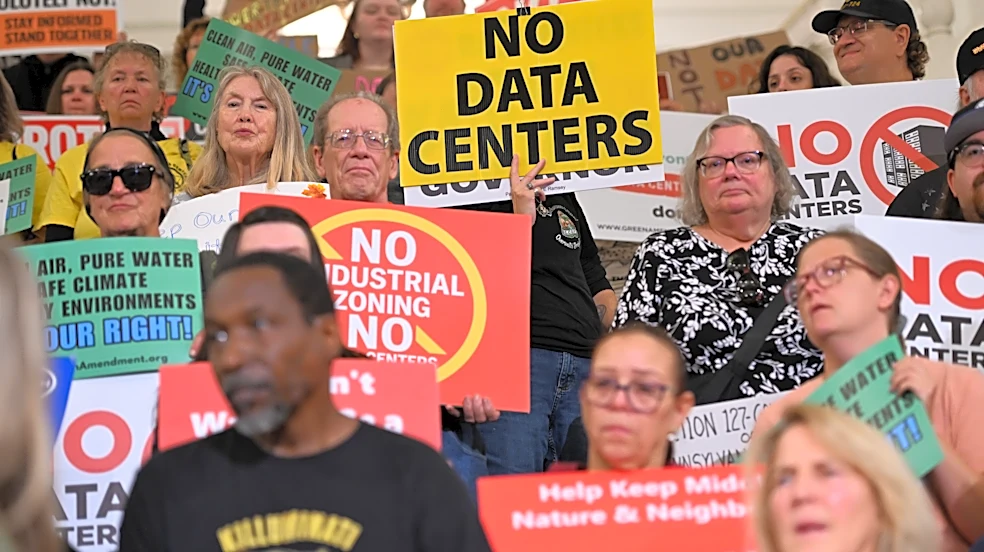
The town of Upper Burrell, Pennsylvania, is facing significant community opposition regarding the proposed expansion of a data center by Tech Fusions, a Florida-based developer. The company, which already operates a small data center in the area, plans
to significantly enlarge its facility and power it with on-site natural gas-powered electricity generation. This development has sparked widespread public interest, predominantly negative, with residents expressing concerns about noise, pollution, lighting, and water consumption. The township supervisors have implemented a six-month temporary moratorium on data centers to develop an ordinance that would regulate these facilities. However, residents like Guy Fuller, who already lives near gas drilling operations, are skeptical that the proposed law will adequately address their concerns, fearing additional burdens from the data center and its associated power generation. The community's apprehension is further fueled by a perceived lack of communication from Tech Fusions compared to fracking companies.
Why It's Important?
This situation highlights a growing tension in U.S. communities between economic development and environmental concerns, particularly in regions already impacted by industrial activities. The demand for data centers, driven by the rise of artificial intelligence, presents economic opportunities through construction, but often offers limited long-term employment once built. This imbalance can leave communities shouldering environmental and quality-of-life burdens without substantial economic benefits. The case in Upper Burrell underscores the challenges local governments face in regulating industries like data centers, as state laws often restrict their ability to outright ban certain types of businesses. The reliance on natural gas for power generation for these data centers also ties into broader debates about fossil fuel infrastructure and its environmental footprint, especially in states like Pennsylvania with significant natural gas reserves.
What's Next?
Upper Burrell's township supervisors are working to finalize a data center ordinance by November 2, which will include regulations on noise, pollution, lighting, and water consumption, as well as minimum setbacks from residential areas. Following the establishment of this ordinance, the supervisors intend to negotiate a community benefits agreement with Tech Fusions. This agreement could potentially secure cash or commitments for clean energy use and water conservation, offering a mechanism for the community to gain more tangible benefits from the development. However, the environmental group Protect PT has filed a lawsuit challenging the municipality's decision to allow the data center under its current zoning code, indicating potential legal battles ahead. The outcome in Upper Burrell could set a precedent for how other local governments in Pennsylvania and beyond approach the regulation of data centers and balance industrial growth with community well-being.
Beyond the Headlines
The conflict in Upper Burrell reflects a broader national trend where the rapid expansion of data centers, fueled by AI, is clashing with local community interests and environmental protection. The comparison drawn by Penn State University law professor Hannah Wiseman between the current data center boom and the fracking boom of two decades ago is particularly insightful. Both industries promise economic growth but often bring significant environmental impacts and community disruption, with benefits disproportionately accruing to a few landowners or corporations. This situation raises ethical questions about who bears the cost of technological advancement and economic development. It also underscores the need for communities to understand and leverage their negotiating power through tools like community benefits agreements, ensuring that new industries contribute positively to local quality of life and environmental sustainability, rather than merely extracting resources or imposing burdens.