






What's Happening?
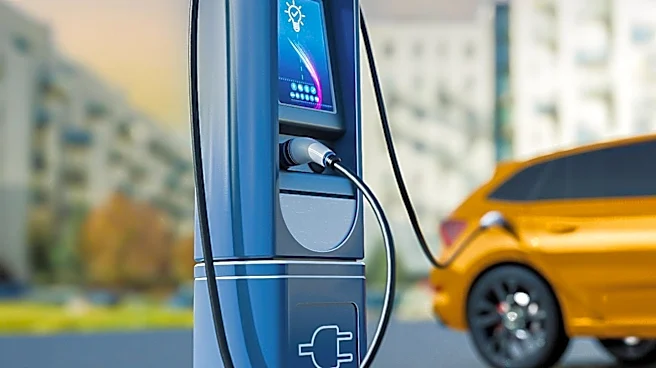
The Laguna Beach City Council has approved approximately $4.7 million in contracts with PowerFlex Systems for the design, construction, and 10-year operation and maintenance of electric vehicle charging infrastructure. This initiative supports the city's
plan to electrify its municipal fleet. The agreements will result in the installation of 42 chargers: 31 at the corporation yard and 11 at City Hall for non-police vehicles. While city staff initially recommended five additional chargers for the police department, the council opted not to include that contract in the current motion. Tom Perez, the city’s acting director of public works and utilities, confirmed that Southern California Edison (SCE) approved rebates for three separate projects, totaling over $890,000, which include the corporation yard, general fleet at City Hall, and the police department. These rebates are contingent on agreements being executed by December 31. An analysis by consultant ICF projects potential savings of approximately $2.8 million over a decade from the transition to electric vehicles, factoring in nearly $4 million in various incentives and rebates.
Why It's Important?
This decision by the Laguna Beach City Council signifies a substantial commitment to sustainable transportation and climate change goals within municipal operations. By investing in EV charging infrastructure, Laguna Beach is positioning itself to reduce its carbon footprint and operational costs associated with its vehicle fleet. The projected $2.8 million in savings over ten years, driven by fuel cost reductions and significant incentives, highlights the economic benefits of such transitions for local governments. This move could serve as a model for other U.S. cities looking to electrify their fleets, demonstrating how strategic investments and leveraging available rebates can make such initiatives financially viable. The focus on public-private partnerships for broader public charging access also indicates a forward-thinking approach to expanding EV adoption beyond municipal use, potentially fostering a more robust EV ecosystem in the region.
What's Next?
Laguna Beach city staff and the environmental sustainability committee are tasked with exploring public-private partnerships to provide publicly accessible charging infrastructure, particularly in the downtown area. This involves issuing a request for information to gauge interest from private entities, such as car manufacturing companies with existing charging infrastructure. Assistant City Manager Jeremy Frimond suggested a model where the city could lease downtown parking spaces to these partners, who would then install, maintain, and collect revenue from the charging stations, effectively providing a capital project at no cost to the city. The execution of the current contracts with PowerFlex Systems and the finalization of rebate agreements with Southern California Edison by December 31 are immediate next steps. The city will also continue its fleet conversion efforts, with future considerations for police department charging needs as their electric vehicle fleet expands.
Beyond the Headlines
The Laguna Beach initiative reflects a broader national trend towards electrification of public and private fleets, driven by environmental mandates and economic incentives. This shift has implications for energy grids, requiring upgrades and smart management to handle increased electricity demand. Furthermore, the city's exploration of public-private partnerships for charging infrastructure points to an evolving model for urban development, where collaboration between municipal governments and private industry becomes crucial for sustainable growth. This approach could alleviate the financial burden on cities while accelerating the deployment of essential infrastructure. The long-term success of such projects will depend on effective planning, technological advancements in charging solutions, and continued government support through incentives and regulatory frameworks, ultimately shaping urban landscapes and transportation habits for decades to come.