






What's Happening?
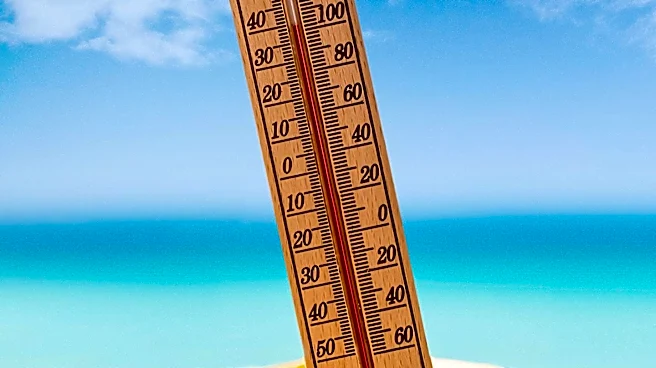
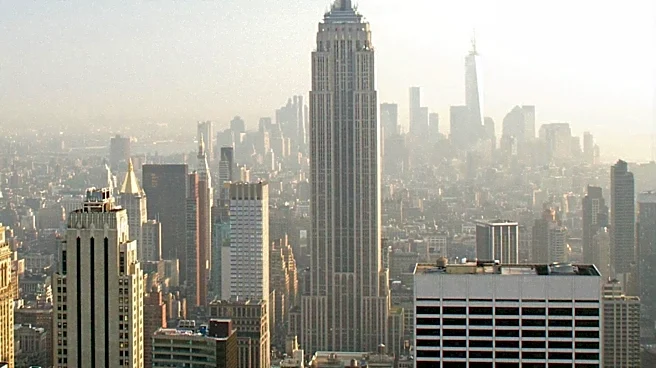
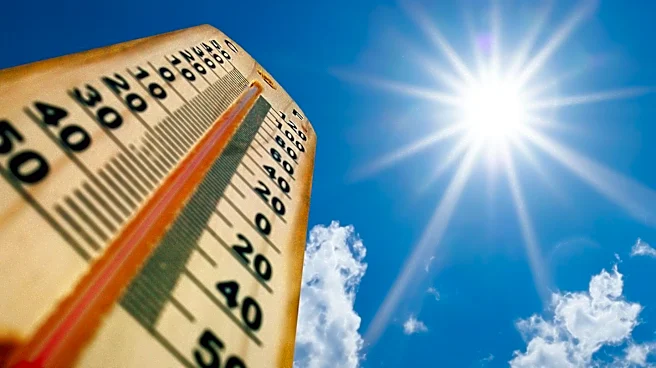
New York City and the broader Northeast are experiencing the hottest day of the year, with temperatures reaching record highs. The heat wave is affecting approximately 142.7 million people from Kansas to Maine, with the potential to break 152 warm weather
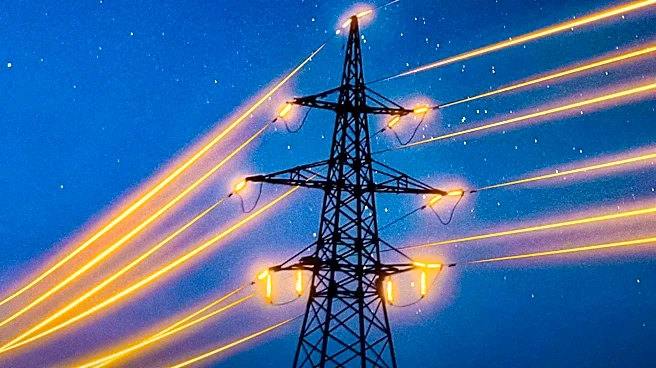
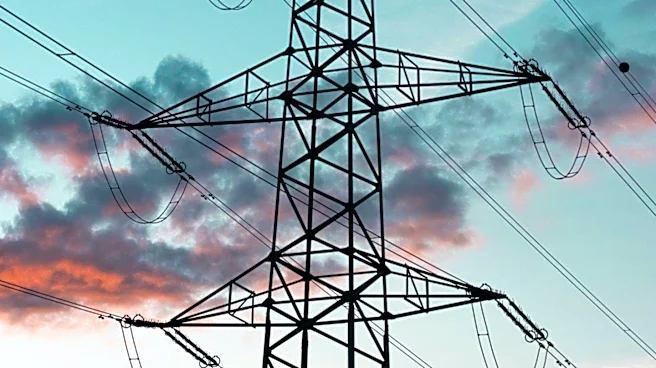
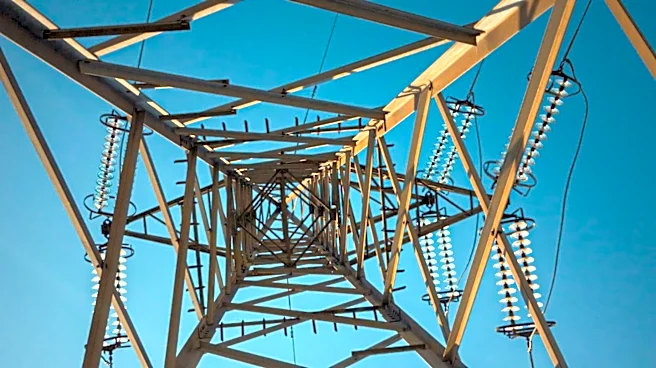
records. New York's Central Park is expected to hit 100°F, matching a record set in 1966, while Washington, D.C., and Trenton, New Jersey, are forecasted to reach 103°F and 104°F, respectively. The heat is causing significant stress on the largest U.S. power grid, managed by PJM Interconnection LLC, which anticipates a record consumption of 166.2 gigawatts. Emergency measures are being implemented to prevent rolling blackouts, including tapping on-site generation at data centers. The heat is also impacting transportation, with airlines like Delta waiving change fees due to operational constraints, and train services warning of potential delays.
Why It's Important?
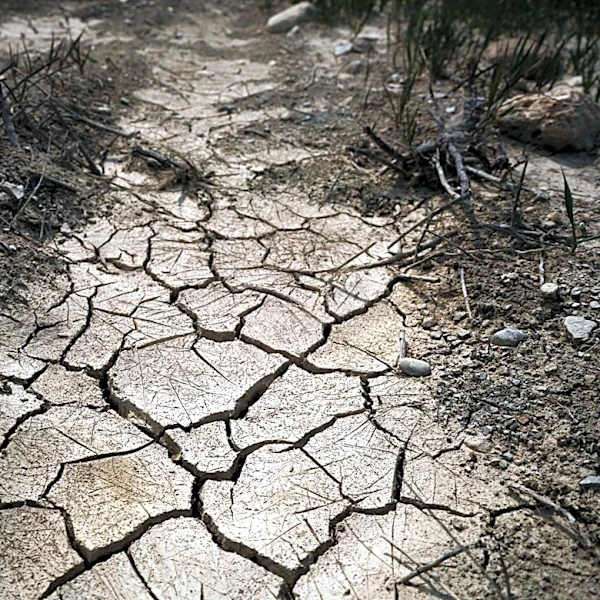
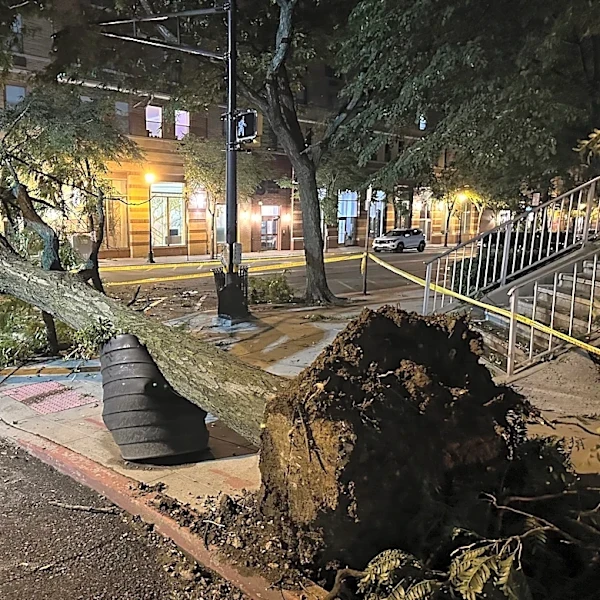
The extreme heat wave poses significant challenges to infrastructure and public safety. The strain on power grids could lead to blackouts, affecting millions of residents and businesses. High temperatures can also damage roads, railways, and aviation operations, leading to economic disruptions. The situation underscores the vulnerability of urban areas to climate-related events and the need for robust infrastructure and emergency preparedness. The heat wave also highlights the potential for increased energy costs, as seen with the spike in power prices in New England and the PJM region. This event serves as a reminder of the broader impacts of climate change and the importance of sustainable energy solutions.
What's Next?
As the heat wave continues, authorities are urging residents to conserve energy and stay informed about safety measures. The high-pressure system causing the heat is expected to break down by next week, bringing temperatures back to average levels. However, the current situation may prompt discussions on improving grid resilience and emergency response strategies. Stakeholders, including government agencies and utility companies, may need to evaluate long-term solutions to mitigate the effects of similar events in the future.