








What's Happening?
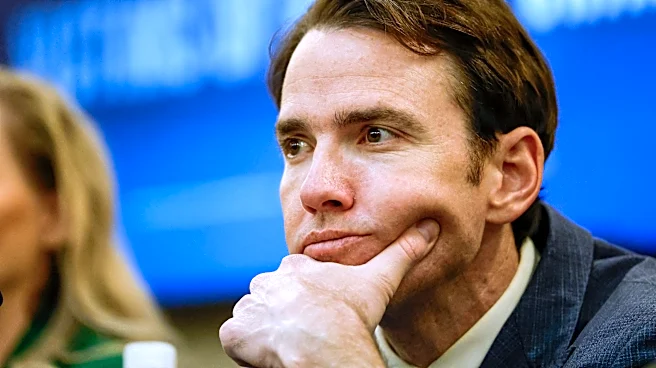
San Francisco Unified School District Superintendent Maria Su recently testified at a congressional hearing in Washington, D.C., addressing issues related to the district's policies on race, gender, and identity education. The hearing, titled 'Breaking
Trust: Attacks on Parental Rights, Inappropriate Content, and Legal Abuses in America’s Schools,' was organized by the GOP-led House Committee on Education and the Workforce. Su, who was reportedly suffering from laryngitis, delivered a prepared and articulate testimony. The session included discussions on controversial topics such as 'drag queen story hours' and transgender policies. Su maintained a cautious stance, often attributing contentious incidents to the period before her tenure began 18 months ago. The hearing also saw participation from Kevin Kiley, an independent congressman from California, who praised the district for its recent educational improvements.
Why It's Important?
The hearing highlights the ongoing national debate over educational content and parental rights in schools, reflecting broader cultural and political divides. The focus on San Francisco's policies underscores the scrutiny faced by educational leaders in progressive districts. The outcome of such hearings can influence public opinion and potentially lead to policy changes at both local and national levels. For educators and policymakers, the discussions emphasize the challenges of balancing diverse community values with educational goals. The involvement of high-profile political figures and the media attention surrounding these hearings can also impact the reputation and operational decisions of school districts.
What's Next?
The hearing may prompt further investigations or legislative actions concerning educational policies across the U.S. School districts might face increased pressure to review and possibly revise their curricula and policies to align with federal guidelines or public expectations. Stakeholders, including educators, parents, and policymakers, are likely to continue engaging in discussions about the role of education in addressing social issues. The outcome of these debates could shape future educational standards and practices, potentially affecting funding, curriculum development, and teacher training programs.