
What's Happening?
Texas is experiencing a surge in data center developments, driven by the growing demand for AI and cloud computing infrastructure. This rapid expansion has raised concerns about the state's electricity
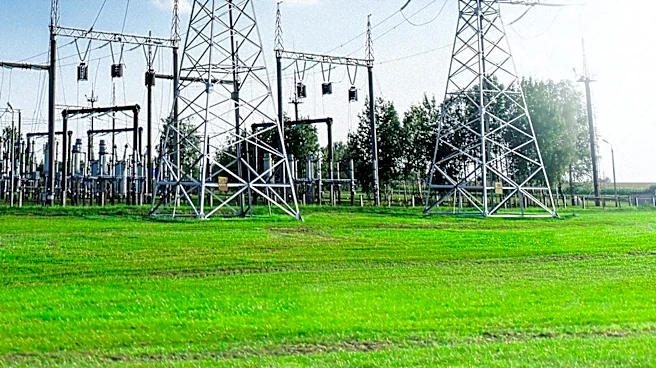
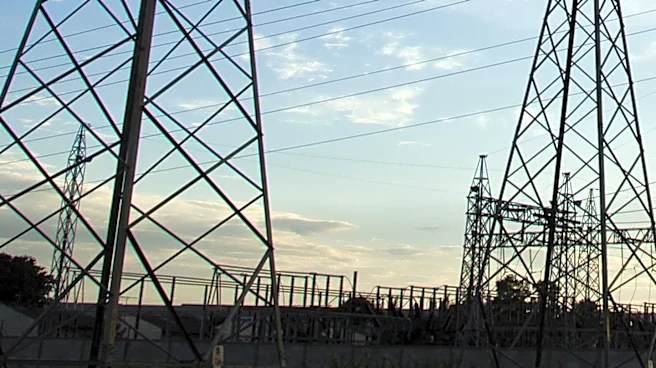
grid capacity, prompting Governor Greg Abbott to mandate a comprehensive audit of proposed data centers seeking to connect to the Texas grid. The Electric Reliability Council of Texas (ERCOT) has identified data centers as a significant driver of future electricity demand, with large-load interconnection requests far exceeding the state's current peak demand. Abbott's directive requires the Public Utility Commission of Texas (PUCT) and ERCOT to verify and audit these projects, focusing on their electricity and water consumption, ownership, and compliance with state regulations. Projects that do not meet the requirements may be denied grid access, effectively pausing their progress.
Why It's Important?
The audit ordered by Governor Abbott highlights the tension between economic development and infrastructure capacity in Texas. As the state positions itself as a leader in AI and cloud computing, ensuring the reliability of its power grid becomes crucial. The outcome of this audit could significantly impact the tech industry's growth in Texas, potentially delaying or halting projects that fail to meet regulatory standards. This move underscores the importance of balancing technological advancement with sustainable infrastructure planning, as unchecked growth could strain the grid and affect the quality of life for Texans. The decision also reflects broader concerns about resource management, particularly in regions like Dallas-Fort Worth and Houston, where industrial and data center demands are rapidly increasing.
What's Next?
The audit process will involve collecting detailed information about each data center's projected resource use and compliance with state laws. ERCOT's review is expected to temporarily halt all data center projects in the interconnection process. The findings could lead to stricter regulations or revised infrastructure plans to accommodate the growing demand. Stakeholders, including tech companies and local governments, will likely engage in discussions to address these challenges. The outcome may influence future investment decisions and shape the state's approach to managing its energy resources amid technological growth.