





What's Happening?
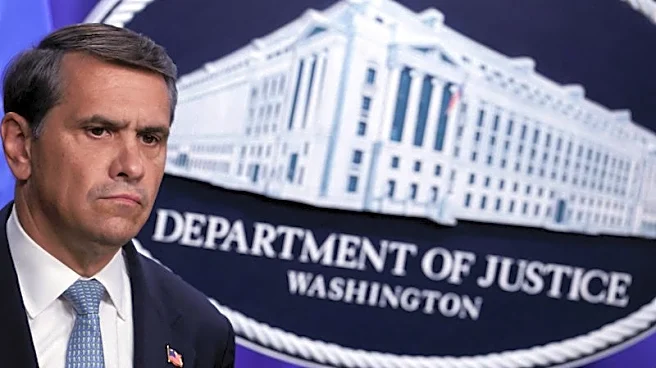
The U.S. Department of Justice (DOJ) has concluded its civil rights investigation into the Worcester Police Department, an inquiry initiated in 2022 that had previously identified findings of excessive force and unconstitutional sexual misconduct. The city
of Worcester announced that federal officials informed them the matter would be closed without further action. However, the DOJ's December 2024 findings remain a central point of debate. Police Chief Paul Saucier stated the department would continue its efforts to modernize policies and rebuild public trust. City Manager Eric Batista addressed criticism regarding the city's communication of the decision, clarifying that Worcester never claimed the DOJ retracted its 2024 findings or deemed the allegations unfounded. Batista acknowledged that the closure was 'not vindication,' following a DOJ letter that cited both reforms undertaken by Worcester police and a lack of current allegations related to the investigated conduct.
Why It's Important?
This development holds significant implications for police accountability and public trust within U.S. municipalities. The closure of a federal civil rights investigation, particularly one that previously uncovered serious misconduct, directly impacts how communities perceive the legitimacy and effectiveness of their local law enforcement. The ongoing debate surrounding the interpretation of the closure underscores the complexities of federal oversight and the responses of local agencies. For the Worcester community, the outcome influences perceptions of police reform efforts and community-police relations. It also sets a precedent for how similar federal investigations might conclude and how cities communicate these outcomes, potentially shaping future policy decisions regarding law enforcement practices, transparency, and accountability mechanisms across the nation.
What's Next?
Following the closure of the federal inquiry, the Worcester Police Department is expected to continue its stated commitment to modernizing policies and rebuilding public trust, as articulated by Chief Paul Saucier. The city manager's clarification regarding the 'not vindication' stance suggests an ongoing need for transparent communication and sustained reform efforts. The December 2024 findings of the DOJ will likely remain a reference point for community advocates, oversight bodies, and local political discourse. Future discussions may focus on the implementation and effectiveness of the reforms already undertaken by the police department. This situation could also influence local political debates concerning police funding, training, and accountability measures, as city officials and community groups navigate the aftermath of the federal investigation and work towards long-term improvements.
Beyond the Headlines
This case highlights a broader national challenge concerning the balance between federal intervention and local autonomy in law enforcement. While the DOJ's formal investigation has concluded, the underlying issues of excessive force and misconduct, and the public's perception of these issues, persist. The city's careful acknowledgment that the closure does not equate to 'vindication' reflects an awareness of ongoing scrutiny and the necessity for continuous reform efforts beyond the immediate pressure of a federal inquiry. This scenario is emblematic of the wider national conversation about police accountability, the role of federal agencies in addressing systemic problems within local police departments, and the enduring difficulty of rebuilding trust in communities where such serious allegations have been substantiated.