







What's Happening?
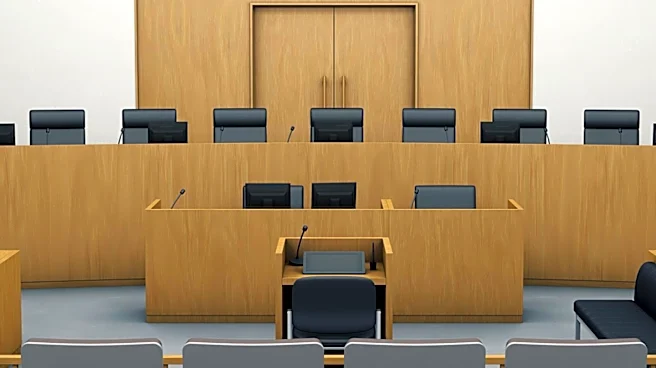
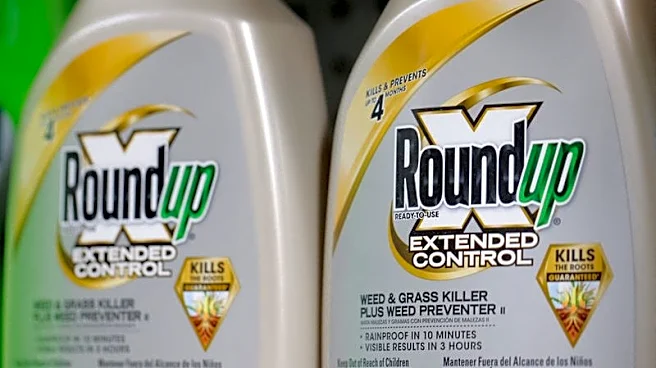
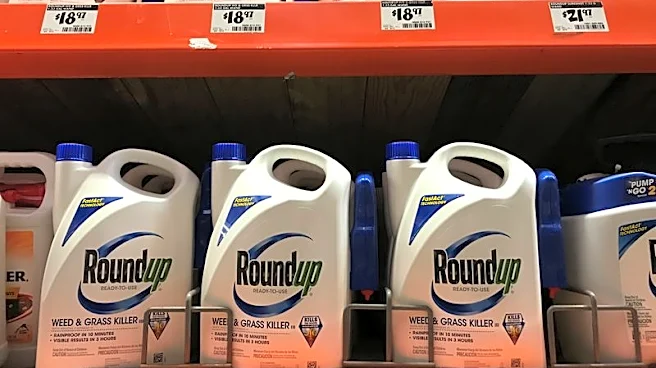
The Supreme Court recently ruled in favor of Monsanto in a significant case concerning the herbicide Roundup, specifically addressing the legal question of whether federal pesticide law preempts state failure-to-warn claims. The court decided that because
the Environmental Protection Agency (EPA) has not mandated a cancer warning on Roundup's label, federal law takes precedence over state claims. This ruling does not resolve the scientific debate over whether glyphosate, the active ingredient in Roundup, causes cancer. The case, Monsanto v. Durnell, underscores the ongoing confusion between legal and scientific interpretations of causation, as legal decisions often do not equate to scientific consensus.
Why It's Important?
This ruling is significant as it highlights the complex interplay between legal standards and scientific evidence. While the legal system aims to resolve disputes and assign responsibility, it does not necessarily reflect scientific consensus. The decision affects thousands of lawsuits against Monsanto, potentially limiting legal recourse for individuals claiming harm from Roundup. This case exemplifies broader issues where legal outcomes may be perceived as scientific conclusions, affecting public trust and understanding. The ruling could influence future litigation involving products where scientific evidence is contested, impacting regulatory practices and corporate accountability.
What's Next?
Following this ruling, it is likely that similar cases will continue to emerge, challenging the boundaries between federal and state regulations. Stakeholders, including regulatory agencies, legal experts, and public health advocates, may push for clearer guidelines on how scientific evidence is integrated into legal frameworks. Companies may also adjust their labeling and warning practices to mitigate legal risks. The decision may prompt further scientific research to clarify glyphosate's health impacts, potentially influencing future regulatory actions and public policy.
Beyond the Headlines
The case highlights a broader societal issue: the public's difficulty in distinguishing between legal rulings and scientific findings. This confusion can lead to mistrust in both the legal system and scientific community. The ruling also raises ethical questions about corporate responsibility and the adequacy of current regulatory frameworks in protecting public health. As legal and scientific communities navigate these challenges, there is a need for improved communication and education to ensure that legal decisions are understood in their proper context.