



What's Happening?
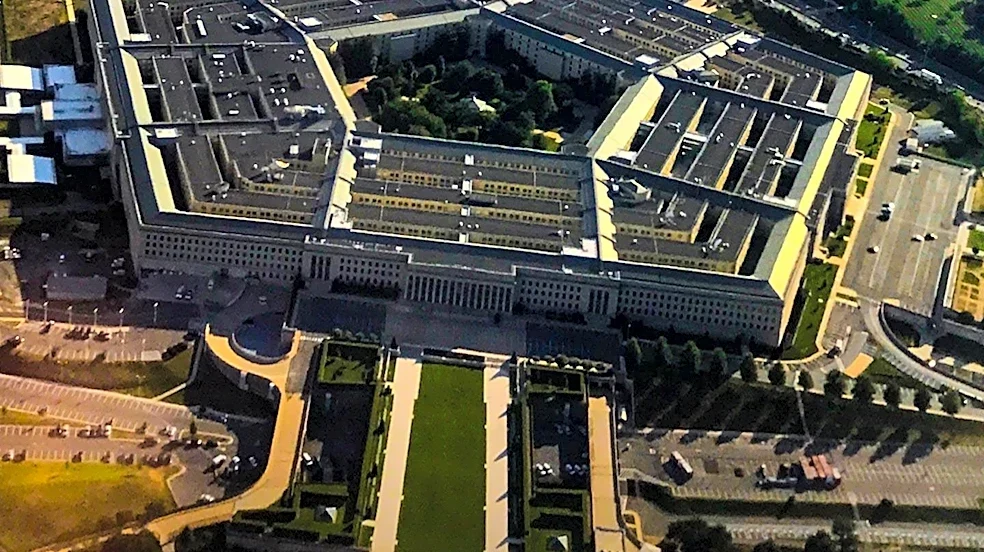
Leonardo DRS has been awarded an indefinite-delivery/indefinite-quantity (IDIQ) contract with a ceiling of up to $500 million to support the Joint Interagency Task Force 401 (JIATF-401). JIATF-401 is the Pentagon body specifically tasked with countering
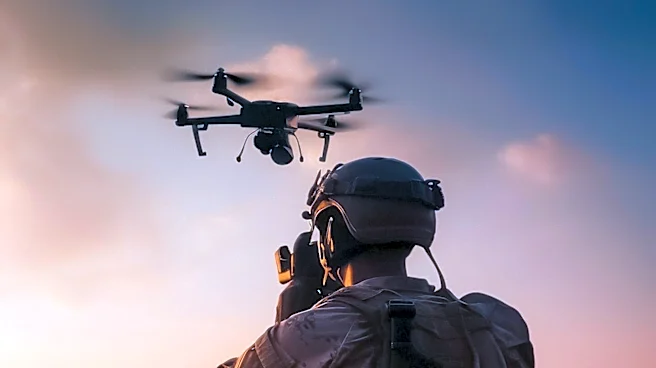
small uncrewed aircraft systems (C-UAS). The contract spans three years and enables Leonardo DRS to compete for task orders focused on the rapid deployment of counter-drone sensing systems. This agreement aims to advance mission objectives by facilitating quick task orders for integrated sensing and tracking solutions, which are crucial for addressing the evolving threat posed by small uncrewed aircraft.
Why It's Important?
This contract is significant for U.S. national security and defense, as it directly addresses the growing threat of small uncrewed aircraft systems. The ability to rapidly deploy advanced counter-drone sensing and tracking systems is critical for protecting military assets, personnel, and critical infrastructure both domestically and abroad. The IDIQ structure allows for flexibility and speed in acquiring necessary technologies, which is vital in a rapidly changing threat landscape. For Leonardo DRS, this contract solidifies its position as a key provider of defense technology and could lead to substantial revenue over the next three years. The emphasis on rapid deployment suggests a proactive approach by the Pentagon to stay ahead of technological advancements in drone warfare, impacting defense spending and technological development in the U.S. defense industry.
What's Next?
Over the next three years, Leonardo DRS will compete for individual task orders under this IDIQ contract. These task orders will involve the rapid deployment of counter-drone sensing systems to meet the specific needs of JIATF-401. The focus will be on developing and integrating advanced sensing and tracking solutions to enhance the Pentagon's capabilities against small uncrewed aircraft. This could lead to further innovation in C-UAS technology and potentially influence future defense procurement strategies. Other defense contractors may also seek to develop similar capabilities to compete for future opportunities in this growing sector of defense technology.
Beyond the Headlines
The increasing prevalence of small uncrewed aircraft systems presents complex challenges beyond immediate defense. These systems can be used for surveillance, reconnaissance, and even kinetic attacks by state and non-state actors, raising concerns about privacy, domestic security, and the potential for asymmetric warfare. The Pentagon's investment in C-UAS technology through contracts like this highlights a broader shift in military strategy towards addressing threats from smaller, more agile, and often commercially available technologies. This also underscores the ethical considerations surrounding autonomous or semi-autonomous counter-drone systems and the need for robust legal frameworks to govern their use, both in military and civilian contexts. The development of these technologies could also have dual-use applications, potentially benefiting civilian security and infrastructure protection in the future.