



What's Happening?
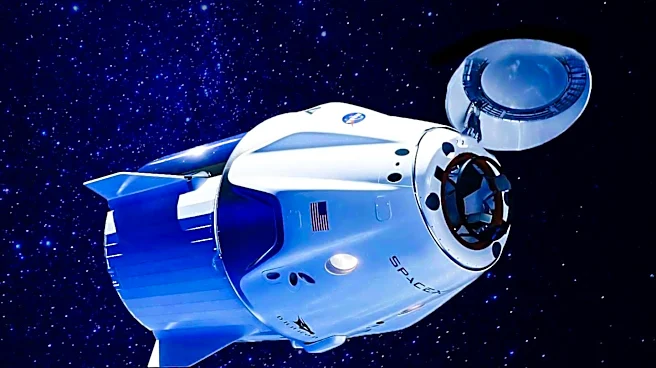
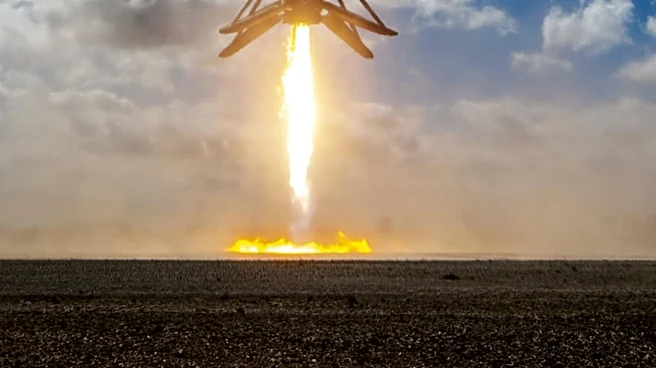
NASA has extended its Commercial Crew Transportation Capability contract with SpaceX, awarding the company an additional $946 million for three more Dragon flights. This modification brings the total value of the agreement to $5.92 billion, covering 17
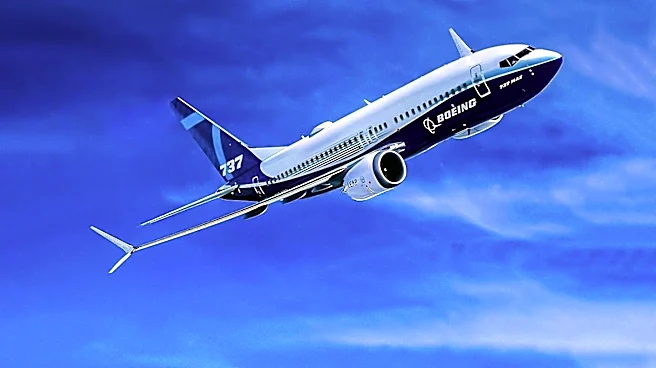
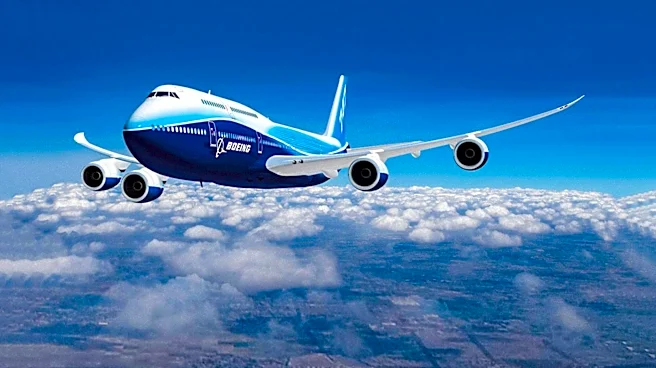
missions through 2030. The decision comes as Boeing's Starliner program continues to face technical issues and schedule delays, with its 2024 crewed test flight resulting in astronauts returning on a different vehicle. NASA's May notice of intent explicitly cited Boeing's ongoing challenges as the reason for turning to SpaceX for these additional missions. While three of six possible additional missions remain unawarded, theoretically leaving a path for Boeing to re-enter, SpaceX is currently positioned as the primary human spaceflight provider for the U.S. for the foreseeable future.
Why It's Important?
This contract extension solidifies SpaceX's dominant position in the U.S. human spaceflight sector, effectively making it the default provider for NASA's crew transportation needs for the next decade. For SpaceX, this represents a significant financial boost and reinforces its reputation as a reliable and capable partner for government space missions. Conversely, it highlights the continued struggles of Boeing's Starliner program, which has been plagued by setbacks, impacting its competitive standing and potentially leading to further financial and reputational consequences. The reliance on a single commercial provider for critical human spaceflight capabilities could raise questions about redundancy and competition in the long term, though it also demonstrates the success of NASA's strategy to foster commercial space capabilities.
What's Next?
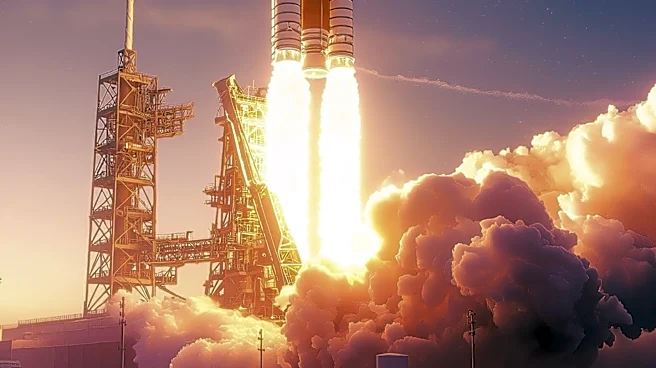
SpaceX will proceed with the planning and execution of the newly contracted Crew-15, Crew-16, and Crew-17 missions, extending its operational flights through 2030. Boeing will likely continue efforts to resolve the technical issues with its Starliner spacecraft and complete its crewed test flights to demonstrate readiness for operational missions. The unawarded three additional missions present a potential opportunity for Boeing to regain some ground, should it successfully address its challenges. NASA will continue to monitor the progress of both companies, with future decisions on commercial crew transportation likely influenced by Boeing's ability to deliver a reliable and safe operational spacecraft.
Beyond the Headlines
The increasing reliance on commercial entities like SpaceX for critical space infrastructure, such as human spaceflight, signifies a broader shift in the space industry from government-dominated operations to a more entrepreneurial and privately driven landscape. This trend, while fostering innovation and potentially reducing costs for government agencies, also introduces new dynamics regarding risk management, competition, and the long-term sustainability of a diversified space ecosystem. The challenges faced by Boeing, a traditional aerospace giant, in adapting to this new commercial paradigm underscore the disruptive nature of new entrants like SpaceX and the evolving demands of space exploration and utilization.