




What's Happening?
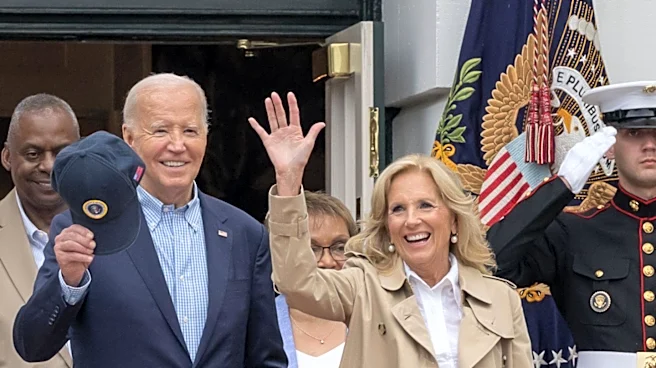
President Joe Biden has withdrawn a lawsuit aimed at preventing the release of audio recordings and transcripts of his interviews with a ghostwriter. These interviews, conducted before Biden's presidency, were intended to remain private. The decision
to drop the lawsuit follows a recent appeals court ruling that emphasized the public interest in disclosing the material. The recordings were obtained during a special counsel investigation into Biden's handling of classified documents. The Republican-led congressional committee has been seeking access to these recordings, which were initially withheld under claims of privacy. The court's decision reflects a balance between public interest and privacy rights.
Why It's Important?
The release of these recordings could have significant implications for President Biden, particularly in the context of ongoing political scrutiny. The decision to drop the lawsuit may be seen as a strategic move to avoid further legal battles and potential political fallout. The recordings could provide insights into Biden's personal and political perspectives, potentially influencing public opinion. This development also highlights the tension between privacy rights and transparency, a recurring theme in political discourse. The outcome may set a precedent for how similar cases are handled in the future, impacting the balance between personal privacy and public accountability.
What's Next?
With the lawsuit withdrawn, the recordings are expected to be released to the congressional committee. This could lead to further political analysis and debate, particularly among Biden's critics. The release may also prompt discussions on the ethical considerations of disclosing private conversations involving public figures. As the recordings become public, they may influence ongoing investigations and political narratives. The response from both political parties and the public will be crucial in shaping the subsequent discourse and potential policy implications.