







What's Happening?
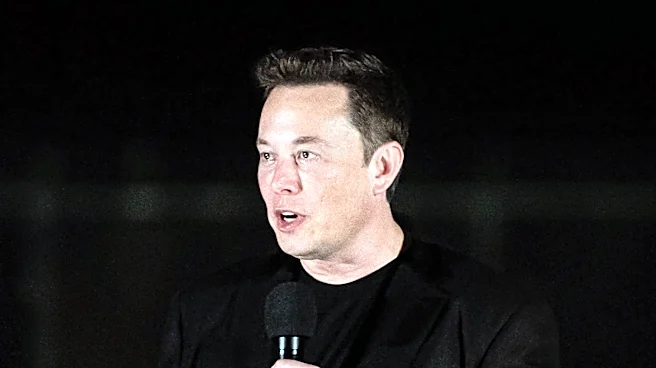
President Trump and Elon Musk have recently been involved in separate initiatives that have sparked a debate over historical accuracy. Musk announced that his AI model, Grok, will produce a historically accurate film of 'The Odyssey' by the end of the year.
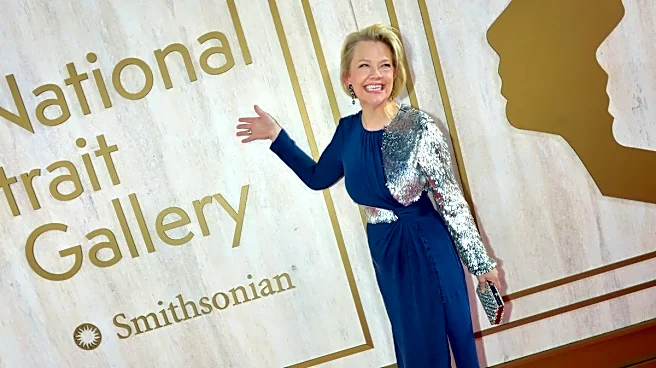
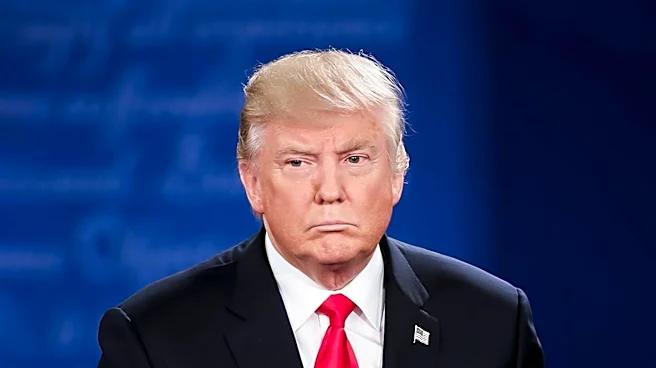
Meanwhile, President Trump issued an executive order for Smithsonian museums to display signage warning visitors of 'inaccurate information' in their exhibits, directing them to alternative resources for accurate historical information. These actions have raised concerns among historians and museum professionals about the integrity of historical research and the influence of AI and corporate interests in shaping public understanding of history.
Why It's Important?
The actions of President Trump and Elon Musk highlight a growing trend of corporate and political influence over historical narratives. This raises concerns about the potential for AI and corporate interests to distort historical facts and undermine the work of historians and museums. The emphasis on 'accuracy' by both figures suggests a push towards a controlled narrative that could impact public perception and education. The involvement of AI in historical storytelling, as proposed by Musk, also poses ethical questions about the role of technology in interpreting and presenting history.
What's Next?
Historians and museum professionals may need to develop strategies to counteract the influence of AI and corporate interests in historical research and public education. This could involve advocating for greater transparency and accountability in the use of AI in historical projects and reinforcing the importance of scholarly research in shaping historical narratives. Additionally, there may be increased scrutiny and debate over the role of government and corporate entities in influencing public understanding of history.
Beyond the Headlines
The broader implications of these developments include potential shifts in how history is taught and understood in society. The use of AI in historical storytelling could lead to a homogenization of narratives that prioritize certain perspectives over others. This could result in a loss of diverse and nuanced historical accounts, impacting cultural memory and identity. The intersection of technology, politics, and history also raises questions about the future of democracy and the preservation of historical integrity in an increasingly digital world.