
What's Happening?
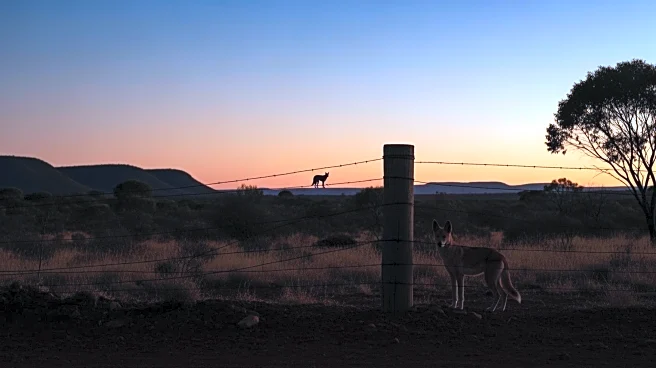
Australian rangers have decided to euthanize a pack of 10 dingoes following the death of Canadian backpacker Piper James on K'gari Island, formerly known as Fraser Island, off the Queensland coast. Piper James,
who had embarked on a backpacking trip from Canada in October 2025, was found dead on January 19, 2026. A preliminary autopsy revealed that while there were pre-mortem dingo bite marks, they were not the immediate cause of death, which was consistent with drowning. Post-mortem, extensive dingo bite marks were found on her body. The decision to euthanize the dingoes comes after observations of aggressive behavior by the pack, which has been deemed a public safety risk. This incident marks the first time in 25 years that dingoes have been involved in a fatality on the island.
Why It's Important?
The decision to euthanize the dingoes highlights the ongoing challenges of managing wildlife interactions in popular tourist destinations. K'gari Island is a world heritage site known for its natural beauty and wildlife, including dingoes. The incident raises concerns about the safety of tourists and the measures needed to prevent similar occurrences. It also underscores the delicate balance between preserving wildlife and ensuring public safety. The decision may impact tourism on the island, as potential visitors might be deterred by safety concerns. Additionally, it brings attention to the ethical considerations of wildlife management, particularly when human safety is at risk.
What's Next?
Following the euthanization of the dingoes, Australian authorities may review and potentially revise their wildlife management and safety protocols on K'gari Island. This could involve increased monitoring of dingo behavior, enhanced safety measures for tourists, and public awareness campaigns about the risks of wildlife interactions. The incident may also prompt discussions among conservationists, local communities, and tourism operators about the best practices for coexisting with wildlife while ensuring visitor safety. The outcome of these discussions could influence future policies and strategies for managing human-wildlife interactions in other regions as well.