








What's Happening?
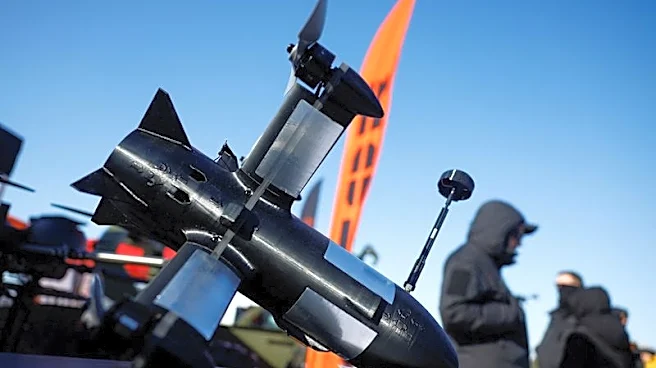
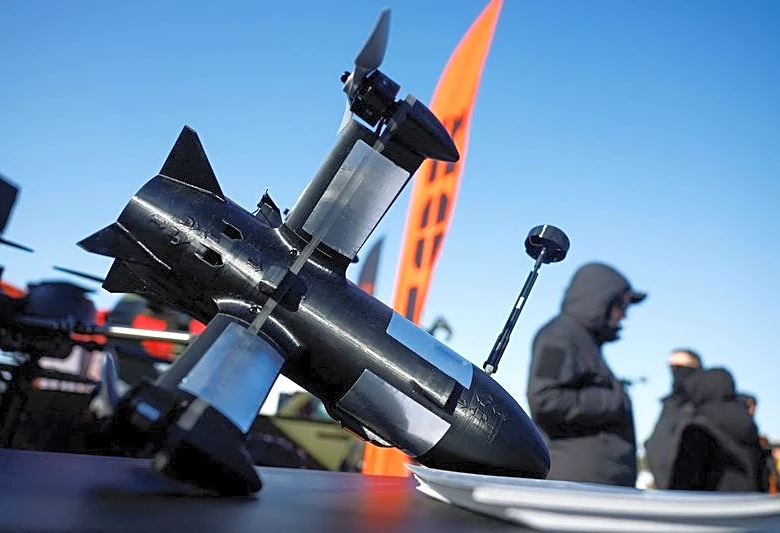
The U.S. military is advancing its development of lethal autonomous weapons systems (LAWS), also known as killer drones. These systems are part of a broader push towards increased autonomy in military operations, driven by technological advancements and
strategic needs. The development of these systems is seen as essential for maintaining military superiority, but it also raises ethical and operational challenges. The U.S. Department of Defense is seeking to balance the risks of system failures with the need to innovate and deploy these technologies effectively.
Why It's Important?
The development of autonomous weapons systems is a critical issue for the U.S. military, as it seeks to maintain a technological edge over potential adversaries. These systems could revolutionize warfare by enabling more efficient and precise military operations. However, they also pose significant ethical and legal challenges, particularly regarding accountability and the potential for unintended consequences. The U.S. must navigate these challenges carefully to ensure that its use of autonomous systems aligns with international norms and ethical standards.
Beyond the Headlines
The push for autonomous weapons systems reflects broader trends in military innovation and the increasing role of technology in defense strategies. This development could lead to significant changes in military doctrine and operational practices, as well as influence global arms control discussions. The ethical implications of deploying autonomous systems in combat are likely to be a major focus of international debate, potentially affecting U.S. relations with allies and adversaries.