





What's Happening?
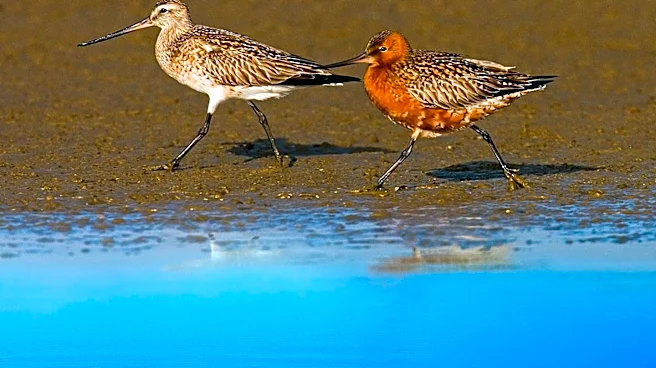
Stockton University interns are collaborating with The Wetlands Institute on a pilot study to understand how American oystercatchers utilize saltmarsh habitats in New Jersey. This research is supported by a grant from the National Fish and Wildlife Foundation’s
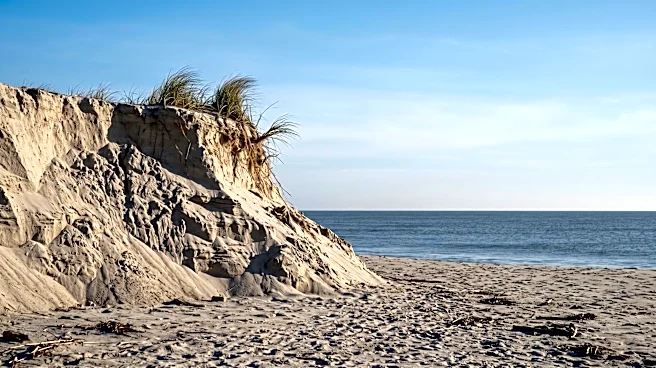
Atlantic Flyway Shorebird Initiative. While beach-nesting oystercatchers have been studied extensively since 2003, climate change and coastal development are pushing these birds into saltmarsh areas. The interns, including junior Environmental Science major Alyssa Schlauberg, are involved in various tasks such as scouring public records for oystercatcher, whimbrel, and red knot sightings using eBird and Motus tower data. They also participate in boat surveys to locate oystercatchers in the marshes of Barnegat Bay and are processing data to map how these birds are adapting to changing habitats. Samantha Collins, a research scientist for The Wetlands Institute, noted that an estimated 75% of New Jersey's oystercatcher population might be nesting in marshes, highlighting a significant knowledge gap.
Why It's Important?
This study is crucial for wildlife conservation and environmental management in the face of climate change and coastal development. As traditional beach habitats diminish, understanding how shorebirds adapt to saltmarsh environments is vital for their survival. The research provides critical data on population dynamics, nesting success rates, and habitat preferences in these new environments. This information will inform conservation strategies and land management decisions, helping to protect vulnerable species like the American oystercatcher. The involvement of Stockton University interns also serves as an important educational initiative, providing students with hands-on experience in ecological research, data analysis, and conservation efforts. This collaboration fosters the next generation of environmental scientists and contributes to a deeper understanding of ecosystem resilience.
What's Next?
The Stockton University interns will continue processing the collected data to create a more comprehensive picture of how oystercatchers are adapting to habitat changes. This data will be used to map their movements and survival rates, providing valuable insights for conservationists. The Wetlands Institute will likely use the findings to develop targeted conservation plans and advocate for policies that protect saltmarsh habitats. Further research may be conducted to monitor long-term trends in marsh-nesting behavior and the effectiveness of conservation interventions. The collaboration between academic institutions and research organizations is expected to continue, offering ongoing opportunities for student involvement and scientific advancement in environmental studies.
Beyond the Headlines
This research highlights the broader ecological impacts of climate change and human development on wildlife. The shift of oystercatchers from beaches to saltmarshes is a clear indicator of habitat alteration and the need for adaptive conservation strategies. It also underscores the interconnectedness of ecosystems and the cascading effects of environmental changes. The study's focus on marsh-nesting birds brings attention to often-overlooked habitats and their critical role in supporting biodiversity. Furthermore, the project exemplifies the power of citizen science and academic-community partnerships in addressing complex environmental challenges. By engaging students and utilizing various data sources, the initiative not only gathers crucial scientific information but also raises public awareness about the importance of coastal ecosystems and the species that depend on them.