


What's Happening?
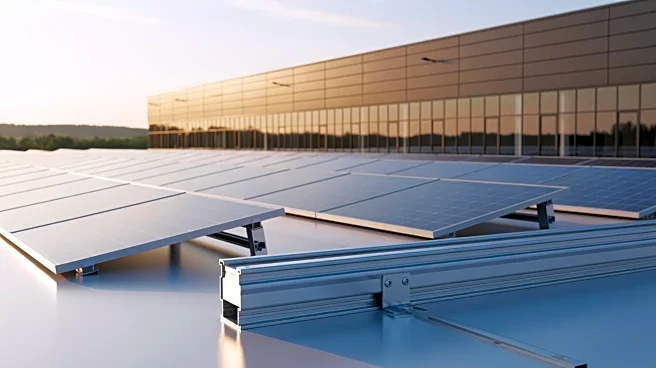
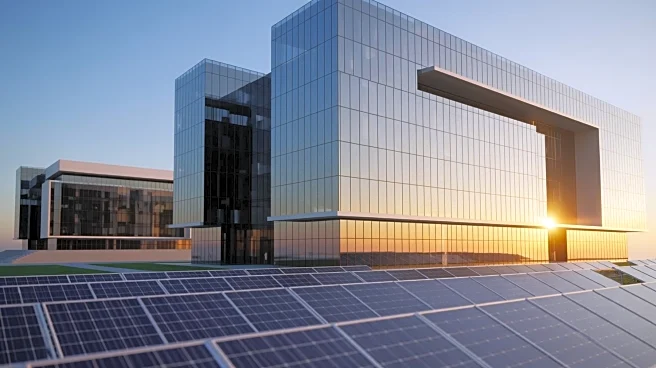
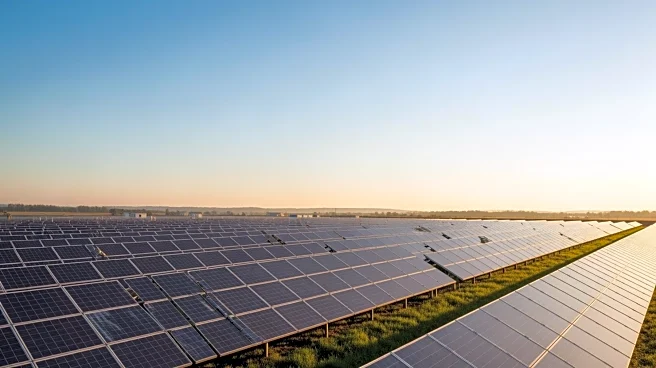
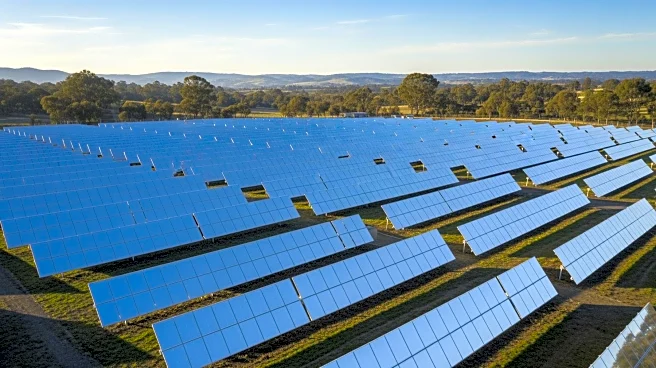
The U.S. Energy Information Agency has projected a substantial increase in utility-scale solar capacity, with an addition of 41.5 gigawatts expected by January 2027. This growth is part of a broader global trend, as solar energy continues to set records
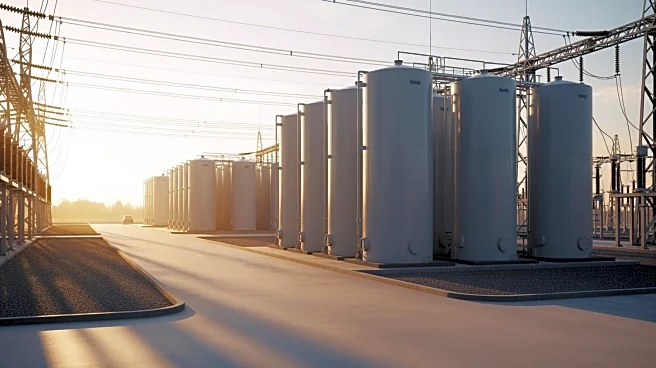
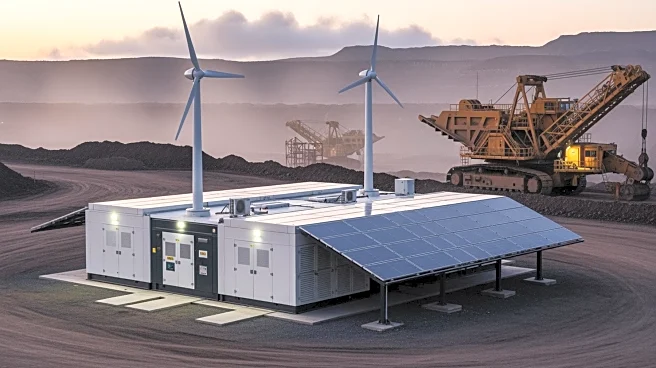
worldwide. The report also highlights a planned increase in battery capacity by 22.7 gigawatts, marking a 43.9% rise. This expansion is part of a larger movement towards renewable energy, with solar power becoming increasingly cost-effective and widely adopted. The global capacity for solar energy is anticipated to reach 9,000 gigawatts by 2030, potentially meeting over 20% of the world's energy demand.
Why It's Important?
The projected growth in solar capacity is crucial for the U.S. energy sector, as it aligns with global efforts to transition to renewable energy sources. This expansion not only supports environmental goals but also enhances energy security and economic resilience. The increase in battery capacity is particularly significant, as it addresses the intermittency of solar power and improves grid reliability. As solar energy becomes more affordable, it offers a viable alternative to traditional fossil fuels, reducing dependency on imported energy and contributing to a cleaner environment. This shift could also stimulate job creation and technological innovation within the renewable energy industry.
What's Next?
The continued growth of solar energy in the U.S. will likely lead to further advancements in technology and infrastructure. Policymakers and industry leaders will need to address challenges such as grid integration and energy storage to maximize the benefits of solar power. Additionally, the expansion of solar capacity may prompt regulatory changes and new business models to support the evolving energy landscape. As the U.S. and other countries invest in renewable energy, international collaboration and knowledge sharing will be essential to achieving global sustainability goals.