







What's Happening?
A new study indicates that reducing the intake of ultra-processed foods (UPF) may help improve symptoms of depression and modestly ease anxiety. The pilot study, published in JAMA Psychiatry, involved 20 participants with depression who regularly consumed
significant amounts of UPF. Participants followed either their usual diet or a low-UPF diet for four weeks, then switched to the other diet for another four weeks. Researchers observed that participants who cut their UPF intake by approximately 85% experienced moderate to large improvements in three measures of depression, alongside modest improvements in anxiety symptoms. This research adds to growing evidence linking diet to mental health, building on previous findings that connect UPFs to chronic diseases like Type 2 diabetes and heart disease.
Why It's Important?
This study is important because it suggests a potential dietary intervention for mental health conditions, specifically depression and anxiety, which affect a significant portion of the U.S. population. While a small pilot study, its findings open avenues for further research into the gut-brain axis and the role of diet in mood regulation. If confirmed by larger studies, these findings could lead to new recommendations for mental health support, emphasizing dietary changes alongside traditional treatments. Given that about 70% of packaged food in the U.S. is ultra-processed, understanding its impact on mental well-being could have broad public health implications, encouraging a shift towards more minimally processed foods. This could empower individuals to take a more active role in managing their mental health through dietary choices.
What's Next?
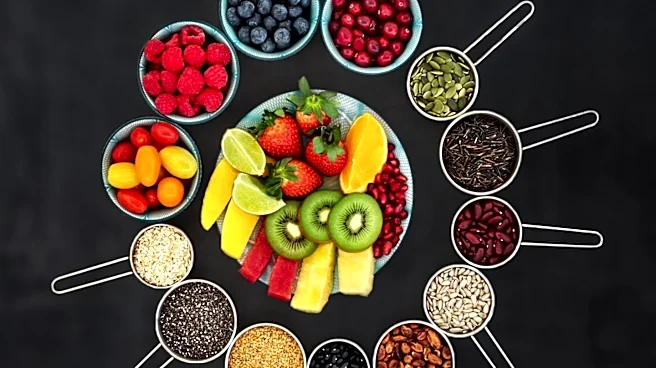
More extensive research is needed to confirm whether reducing UPF directly improves depression symptoms and to understand the underlying mechanisms. Researchers are exploring possibilities such as the impact of UPF additives on the gut microbiome and how changes in gut bacteria might influence mood. Additionally, the study's findings may encourage healthcare providers to consider dietary counseling as part of a holistic approach to mental health treatment. On a broader scale, this research could further motivate state-level actions, similar to California's initiatives, to define and regulate UPFs, potentially leading to clearer food labeling and increased availability of non-ultra-processed options. Consumers are advised to start by making small swaps, replacing packaged snacks with fruits, nuts, or other minimally processed alternatives.
Beyond the Headlines
The connection between ultra-processed foods and mental health extends beyond individual dietary choices, touching upon the accessibility and affordability of healthy food options. For individuals struggling with depression, the energy and time required for cooking from scratch can be challenging, making convenient UPFs a default. This highlights a societal issue where healthier food choices are often more expensive and less accessible, creating a barrier to improved mental and physical health. The study also raises ethical considerations for the food industry regarding the formulation of products that may negatively impact mental well-being. Culturally, these findings could contribute to a growing movement towards mindful eating and a greater appreciation for whole, unprocessed foods, potentially influencing long-term dietary habits and public health policies.