



What's Happening?
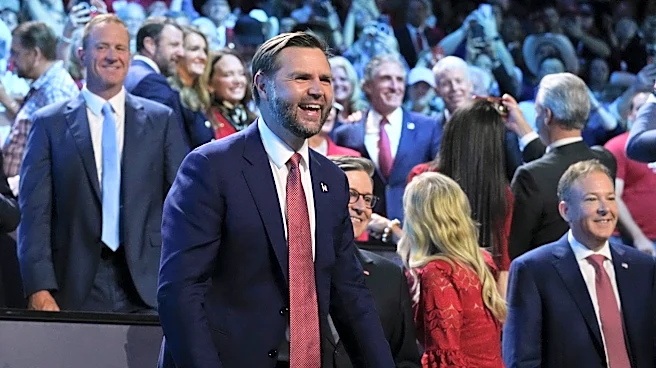
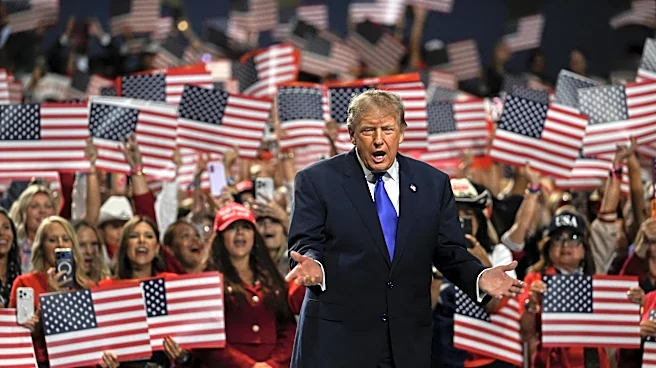
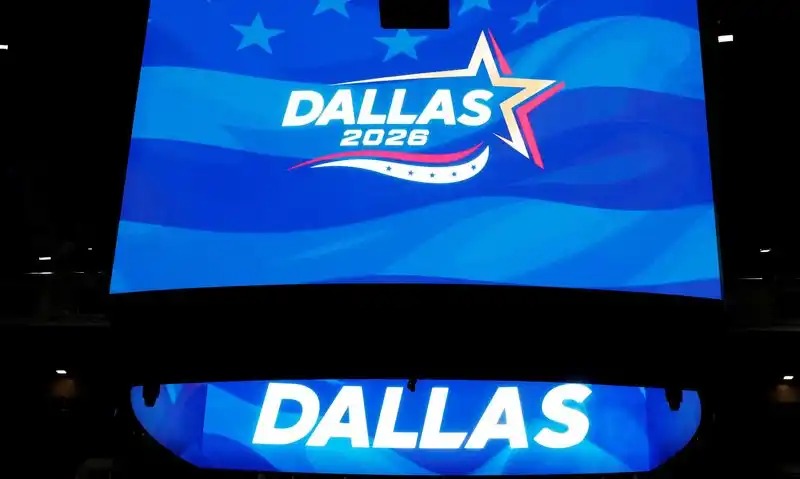
Democrats are actively countering President Trump's midterm convention in Dallas, asserting that the event is a 'bizarre' spectacle designed to distract from what they describe as his 'faltering presidency.' Illinois Gov. JB Pritzker stated that the convention cannot
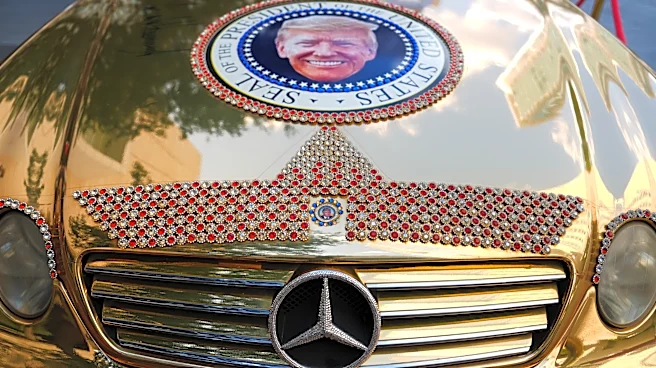
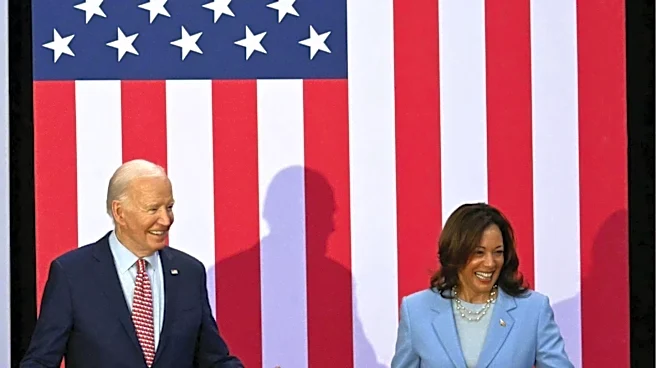
mask the Republican Party's lack of accomplishments. Democrats are using the opportunity to highlight their own policy priorities, such as economic relief and healthcare access, while also criticizing President Trump's economic policies, which they claim benefit the wealthy at the expense of average Americans. Texas state lawmaker James Talarico, running for Senate, contrasted Democratic community service efforts with the convention's perceived focus on wealthy donors. Several Democrats, including Rep. Robert Garcia, ranking Democrat on the House Oversight Committee, have indicated that a Democratic House majority would pursue investigations into the Trump administration's alleged corruption and business dealings.
Why It's Important?
This Democratic counter-programming strategy aims to capitalize on President Trump's low approval ratings, economic concerns, and dissatisfaction over ongoing conflicts to regain control of Congress. By framing the convention as a distraction, Democrats seek to shift public attention to what they perceive as the administration's failures and their own proposed solutions. The focus on economic inequality, with accusations of 'trickle-up economics' benefiting the rich, directly challenges President Trump's economic narrative. Furthermore, the promise of investigations into the Trump administration by potential Democratic House majorities signals a contentious political landscape ahead, with significant implications for accountability and oversight. This coordinated effort by Democrats underscores the high stakes of the midterm elections and their determination to present a clear alternative to the current administration.
What's Next?
Democrats will continue to use President Trump's public appearances and policy proposals, such as the $5,000 dividend, as opportunities to criticize his administration and promote their own agenda. The midterm elections will serve as a crucial test of whether their messaging resonates with voters amidst the spectacle of President Trump's events. If Democrats gain control of Congress, the promised investigations into the Trump administration's conduct and business dealings will likely commence, leading to heightened political tensions and potential legal battles. The focus on economic issues and the contrast between the parties' approaches to wealth distribution will remain central to the political debate. The convention and the Democratic response set the stage for an intense and polarized election cycle.
Beyond the Headlines
The Democratic strategy of directly confronting President Trump's narrative and events reflects a broader shift in political engagement, where parties are increasingly battling for public perception in real-time. The emphasis on 'corruption' and the promise of investigations highlight a deepening distrust in government institutions and a demand for accountability that transcends traditional policy debates. This approach also signals a potential return to more aggressive oversight if Democrats secure a congressional majority, which could lead to prolonged political battles and further polarization. The contrast drawn between the convention's perceived opulence and the struggles of average Americans also taps into a broader societal concern about economic inequality, suggesting that this issue will remain a potent force in future political campaigns and public discourse.