



What's Happening?
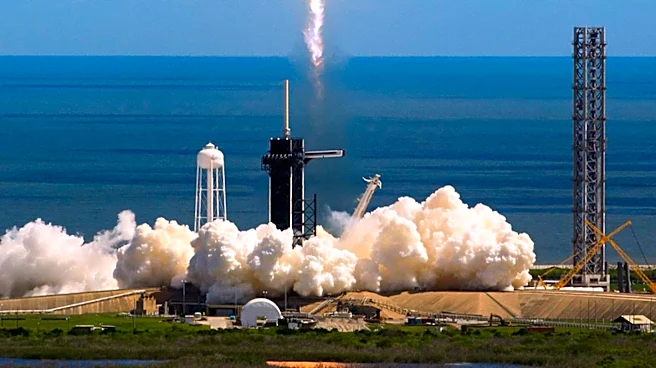
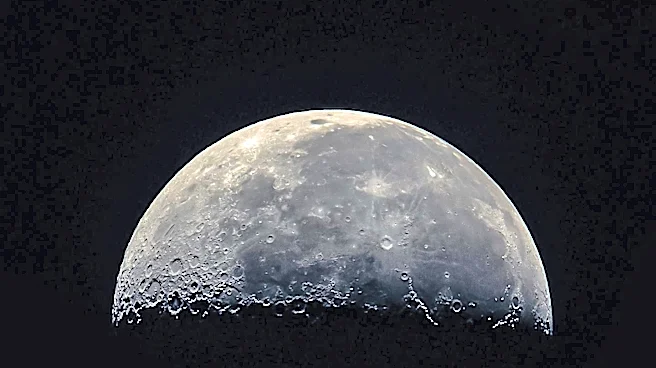
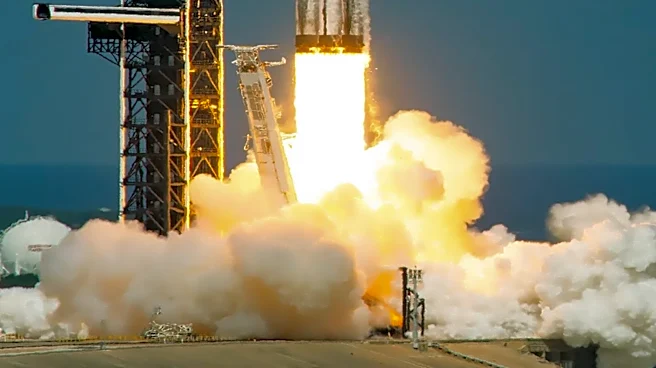
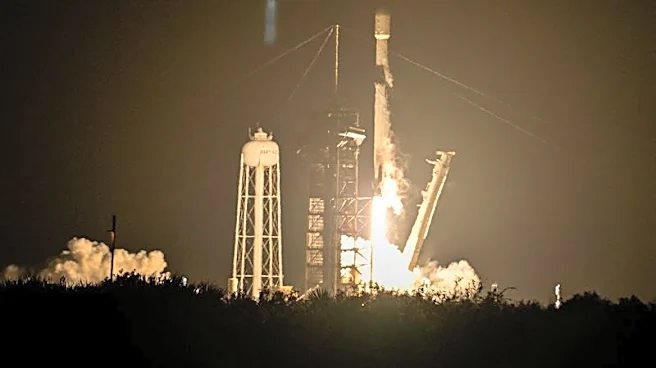
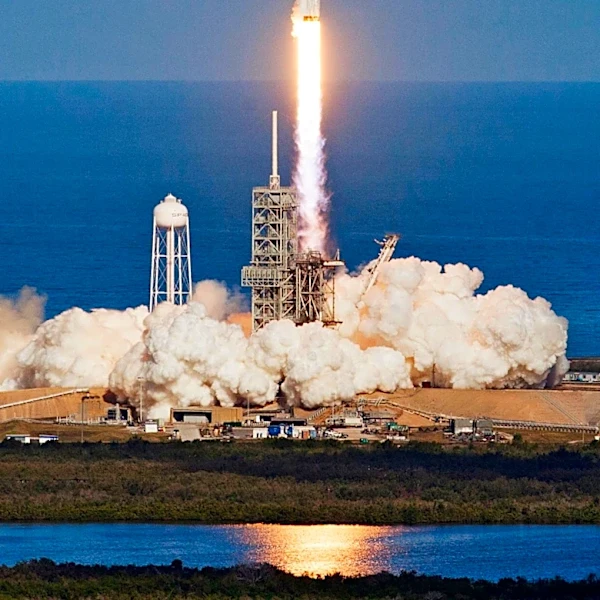
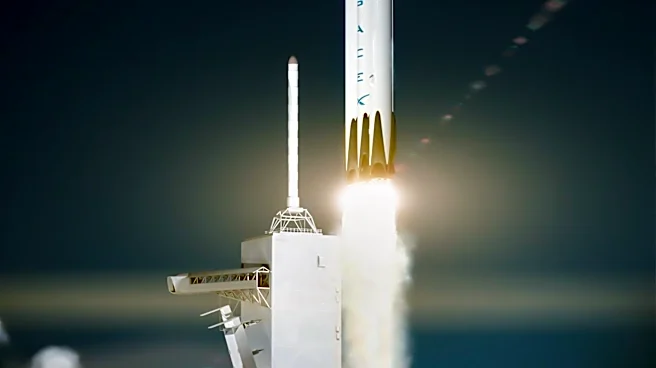
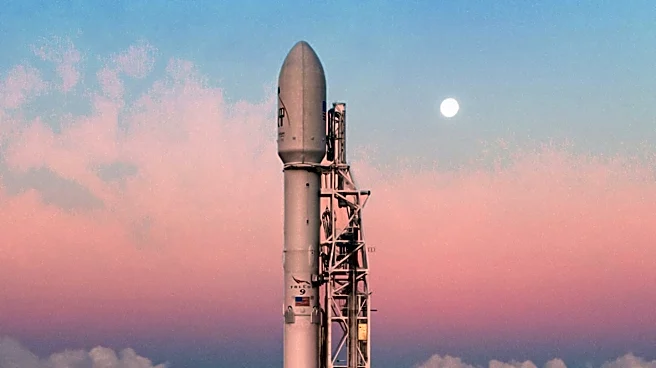
NASA is preparing to observe the impact of a discarded SpaceX Falcon 9 rocket stage on the Moon, scheduled for August 5, 2026. The rocket stage, launched in January 2025, is expected to crash near the Einstein and Bell craters, creating a crater approximately
60 feet wide and 12 feet deep. This event, while posing no threat to Earth, offers a unique opportunity for scientific study. NASA plans to use ground-based telescopes and lunar orbiters, including the Lunar Reconnaissance Orbiter and South Korea's Korea Pathfinder Lunar Orbiter, to capture images of the impact site. The data collected could enhance understanding of lunar impacts and improve models for future exploration missions.
Why It's Important?
The impact of the SpaceX rocket stage on the Moon provides a rare chance to study the effects of such collisions in a controlled manner. This event could yield valuable data on how lunar material is ejected during impacts, which is crucial for planning future lunar missions. Additionally, the incident highlights ongoing concerns about space debris and the need for responsible disposal practices. The ability to track and study such impacts can inform strategies to mitigate space debris and ensure the safety of future space missions.
What's Next?
Following the impact, NASA will analyze the data collected from telescopes and orbiters to assess the effects of the collision. The findings could influence future lunar exploration strategies and debris management policies. The event also underscores the importance of international collaboration in space exploration, as multiple countries' instruments are involved in observing the impact. The results may prompt discussions on improving tracking and disposal methods for space debris.