






What's Happening?
Preliminary data from the Wisconsin Department of Health Services indicates that 102 individuals died from cold-related causes during the winter months of 2025-26. In addition to these fatalities, the state recorded 1,725 emergency department visits and
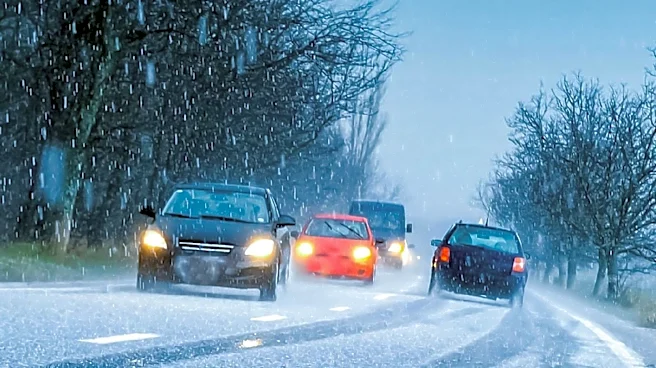
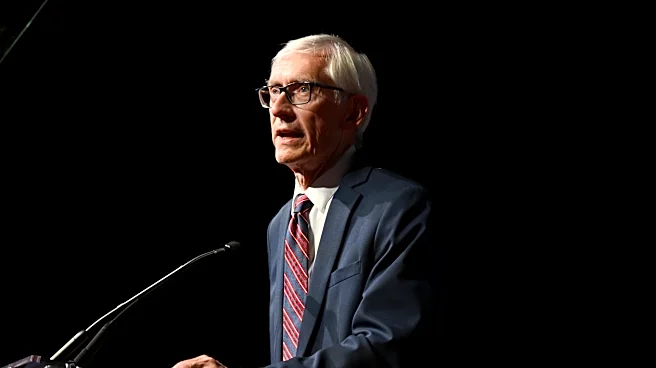
523 hospitalizations due to cold-related illnesses. Governor Tony Evers has declared November 16-20 as Winter Weather Awareness Week, urging residents to prepare for severe winter conditions. State officials, including Paula Tran, the state’s health officer, are emphasizing the dangers of prolonged exposure to freezing temperatures, particularly for vulnerable populations such as older adults, young children, people with disabilities, and those without reliable heating. The warning also extends to motorists, with preliminary figures from the Wisconsin Department of Transportation showing 29 fatalities and 3,187 injuries in crashes involving winter road conditions between November 2025 and May 2026.
Why It's Important?
The significant number of cold-related deaths and injuries in Wisconsin highlights a critical public health and safety concern. These figures underscore the severe impact of extreme winter weather on the state's population, particularly its most vulnerable members. The economic implications include increased healthcare costs due to emergency visits and hospitalizations, as well as potential productivity losses from injuries. For the transportation sector, the high number of winter-related crashes points to substantial costs in property damage, insurance claims, and emergency response. The state's proactive declaration of Winter Weather Awareness Week is an attempt to mitigate these risks, but the persistent challenge of ensuring public safety during harsh winters remains a significant issue for state agencies and residents alike. The data serves as a stark reminder of the need for robust public health campaigns and infrastructure resilience against extreme weather events.
What's Next?
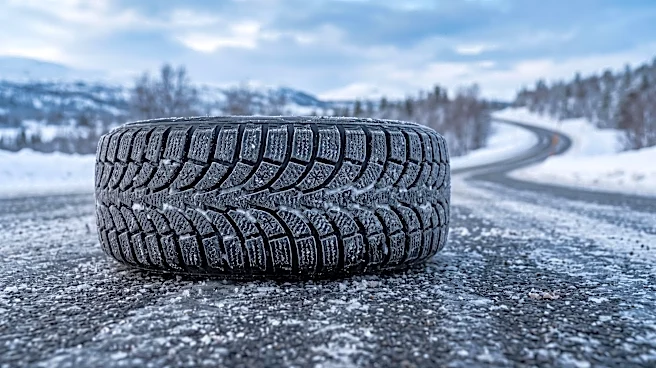
Wisconsin state officials will continue their efforts to promote winter preparedness through initiatives like Winter Weather Awareness Week. Residents are encouraged to take immediate precautions, including dressing warmly, limiting outdoor exposure during extreme cold, and checking on vulnerable individuals. The Department of Health Services advises keeping emergency supplies in homes and vehicles. Motorists are urged to prepare their vehicles by checking tires, wipers, batteries, and fluid levels, and to adjust driving speeds according to road conditions. The Ready Wisconsin campaign will provide additional information on winter preparedness and emergency safety. These ongoing efforts aim to reduce the incidence of cold-related fatalities, injuries, and traffic accidents as the state approaches another winter season.
Beyond the Headlines
The recurring issue of cold-related deaths and injuries in Wisconsin points to deeper societal challenges, including access to adequate housing and heating for low-income populations. While public awareness campaigns are crucial, they may not fully address the systemic vulnerabilities that put certain groups at higher risk. The data also implicitly raises questions about the effectiveness of current infrastructure and emergency response systems in coping with severe winter conditions. Long-term solutions might involve investments in energy assistance programs, improved public transportation during adverse weather, and community support networks to ensure no one is left without essential resources. The ethical dimension of these preventable deaths underscores the collective responsibility to protect all members of society from environmental hazards.